
The build
A site written for a technical buyer
Specs, materials, tolerances and capacity laid out in the terms a buyer already searches with — so they can qualify you without an enquiry, and enquire already half-scoped.
Building & Construction Products
Glass gets chosen on numbers a specifier has to defend: U-values, g-values, acoustic ratings, pane make-ups and the size you can actually toughen or laminate.
A façade designer with a performance target does not want prose — they want to confirm your unit hits the figure and that you can produce it at the size on their elevation. Most glazing sites bury that in a PDF or leave it off entirely. I make your performance data and size capability the spine of the site, so the enquiry arrives already matched to a real spec.
What I'd build you
The build
Specs, materials, tolerances and capacity laid out in the terms a buyer already searches with — so they can qualify you without an enquiry, and enquire already half-scoped.
Found
A page per process, material and sector instead of one “Services” page — every one its own door into the site, matched to how buyers search rather than how the business is organised.
Asked for
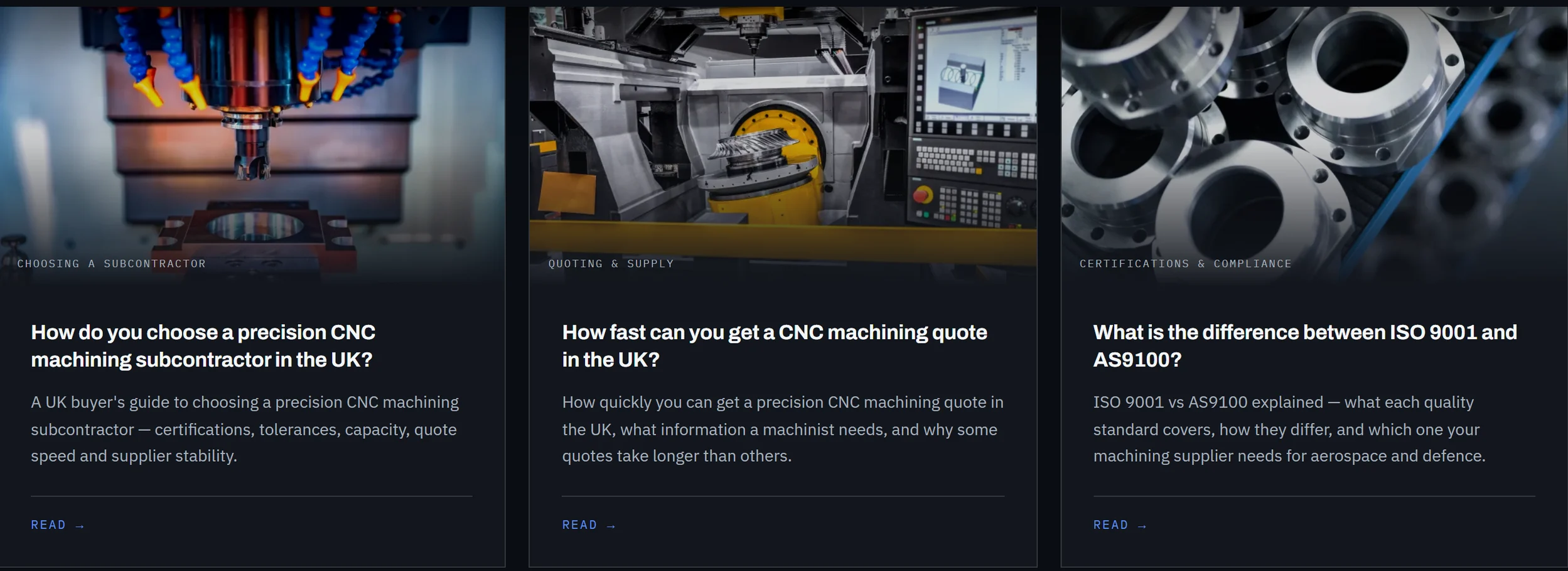
Buyers ask an assistant before they ask a supplier, and it quotes whoever actually answered. Question-led content and structured data put your words in that answer.
Measured, not claimed
2.9s.
Time to main content on a phone, against 6.9s for the median of 5 comparable firms.
Reported
Speed, search visibility and enquiry volume measured on a regular cycle and reported back — so the site is answerable for something rather than just existing.
What I build for glass & glazing
Product pages by make-up (double, triple, laminated, toughened, fire-rated, acoustic) with U-value, g-value and acoustic data
A size-and-capability page stating maximum pane sizes, edgework and processing you can run in-house
A performance-selector or comparison table so a specifier can match glass to their target figures
A project-enquiry flow capturing make-up, quantities, sizes, performance target and site programme
What manufacturers ask before they hire me. If yours is not here, ask it — the answer is usually short.
I build product content around the actual numbers — U-value, g-value, Rw acoustic rating, fire rating — so a specifier searching for a performance target matches to your unit instead of a generic "glass supplier" page that states nothing.
A size-and-capability page states maximum toughening and lamination sizes and the edgework you run, so a façade designer knows their elevation is within your envelope before they commit to your product.
A comparison table or selector lays the make-ups side by side against the figures that decide it, so the specifier reaches the right unit quickly and quotes it by name.
I hold the data as structured, on-page content that search and AI can read, with datasheet downloads alongside, so it surfaces in results rather than sitting in a file nobody finds.
The enquiry flow captures make-up, sizes, quantities, the performance target and the site programme, so you price from a complete brief instead of a one-line email.
Yes — I build content aimed at the trade buyers who process or install your glass, so the fabricators and contractors who feed you repeat volume can find and vet you as easily as an architect can.
More in building & construction products
Proof — recent manufacturer work
All case studies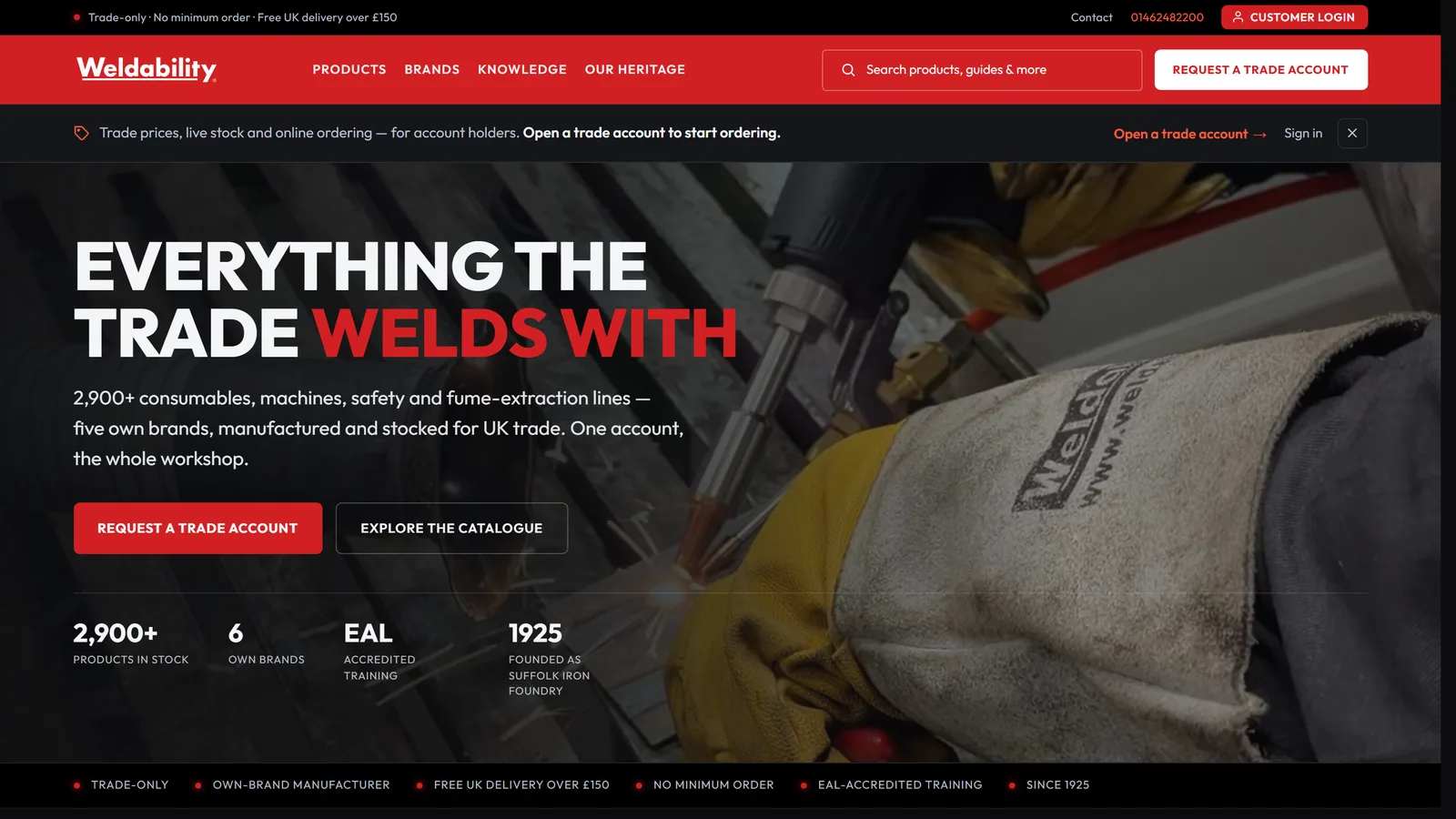
Welding supplies & equipment — trade wholesale
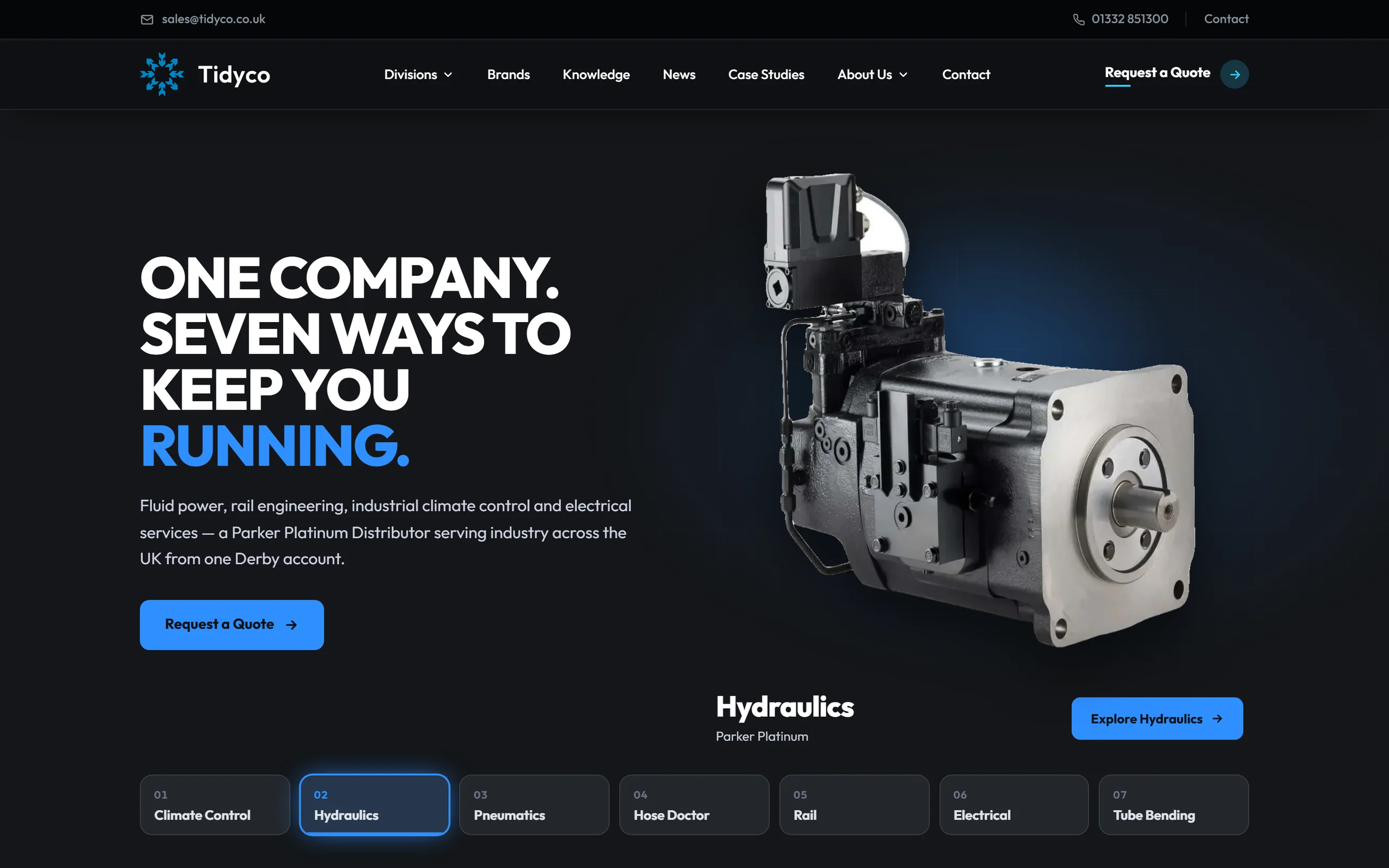
A trade portal for a welding wholesaler founded in 1925 — 3,400 pages, contract pricing, credit and reordering pulled live from the ERP.
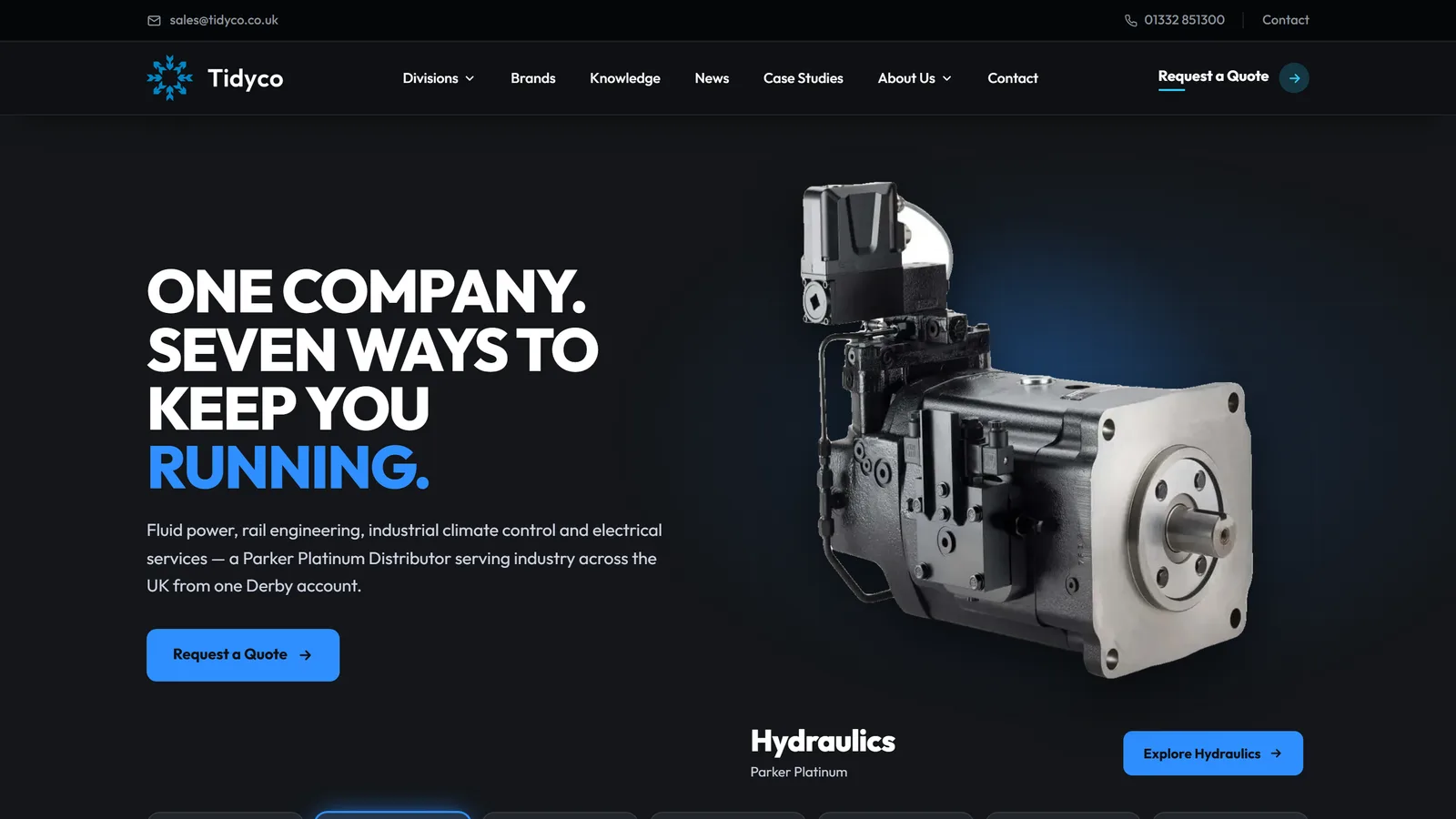
Industrial distribution & engineering services
A rebuild for a Derby fluid-power and rail engineering group — seven divisions, one front door, and a 50-guide library that answers buyers before they enquire.

Precision CNC machining
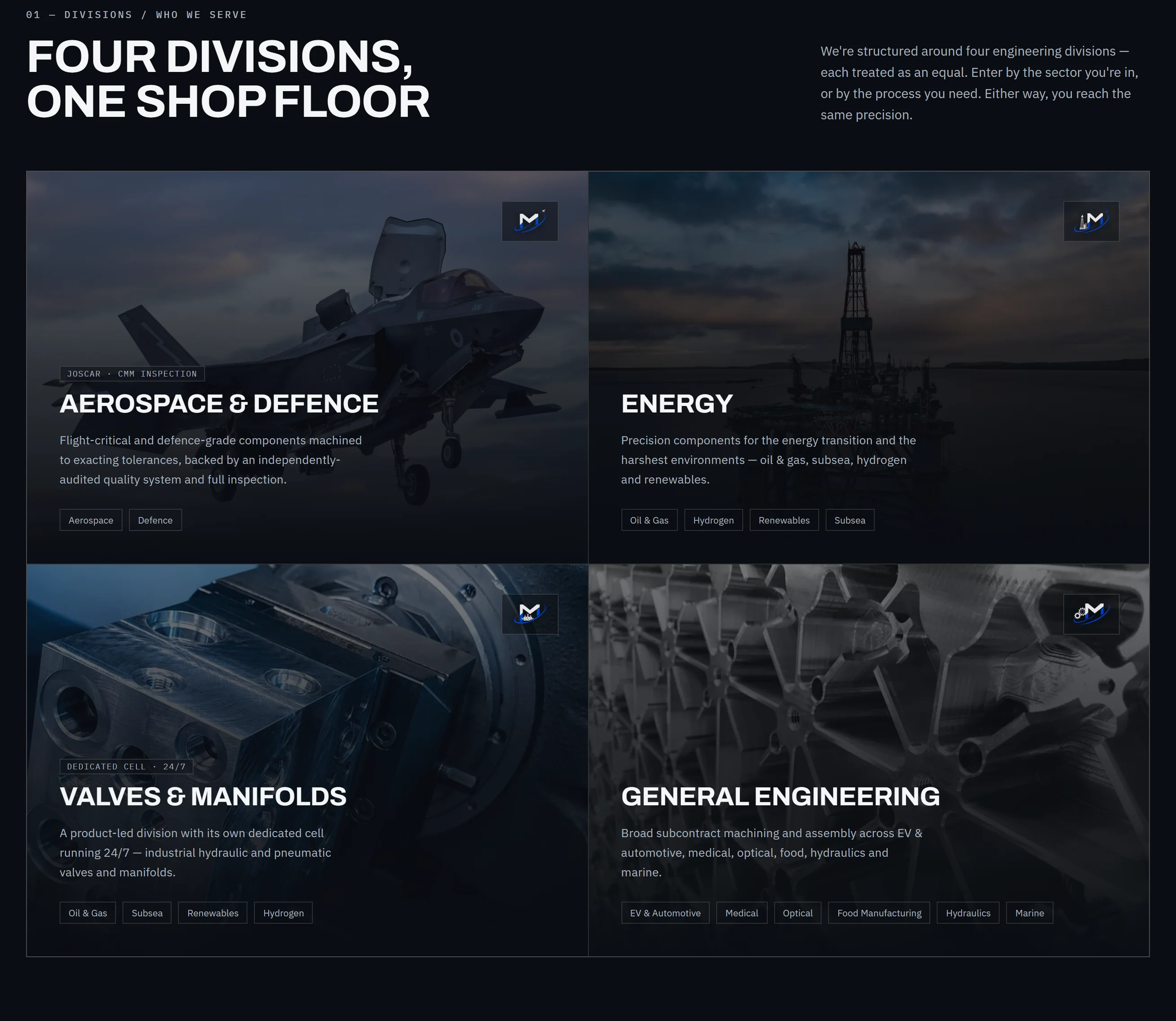
A rebuild for a Norwich CNC subcontractor — four divisions, capability pages that state the tolerance, and a quote path that asks for the drawing.
Related reading
All articlesHow-to
For construction products, the sale is decided months before anyone buys — when a specifier writes you onto a drawing. Most sites are built for the wrong moment.
How-to
For technical products, the datasheet is what a buyer uses to choose. Locking it in an unfindable PDF hands the enquiry to a competitor who published theirs.
Next
The snapshot checks what assistants currently say about a business like yours, and where the answer comes from. It takes about a minute.