
The build
A site written for a technical buyer
Specs, materials, tolerances and capacity laid out in the terms a buyer already searches with — so they can qualify you without an enquiry, and enquire already half-scoped.
Process, Chemicals & Coatings
Selling adhesives and sealants is a technical-selection problem before it’s a sales one — a buyer bonding one substrate to another, at a temperature, in an environment, needs to land on the right product or they don’t enquire at all.
Most sites list products but never help the buyer choose, so the visitor bounces to a competitor whose site did the thinking. I build guided selection by substrate, application and cure, backed by a TDS and SDS a buyer’s engineers can actually read. That turns a confused browser into a confident enquiry — and gets your product designed into the assembly.
What I'd build you
The build
Specs, materials, tolerances and capacity laid out in the terms a buyer already searches with — so they can qualify you without an enquiry, and enquire already half-scoped.
Found
A page per process, material and sector instead of one “Services” page — every one its own door into the site, matched to how buyers search rather than how the business is organised.
Asked for
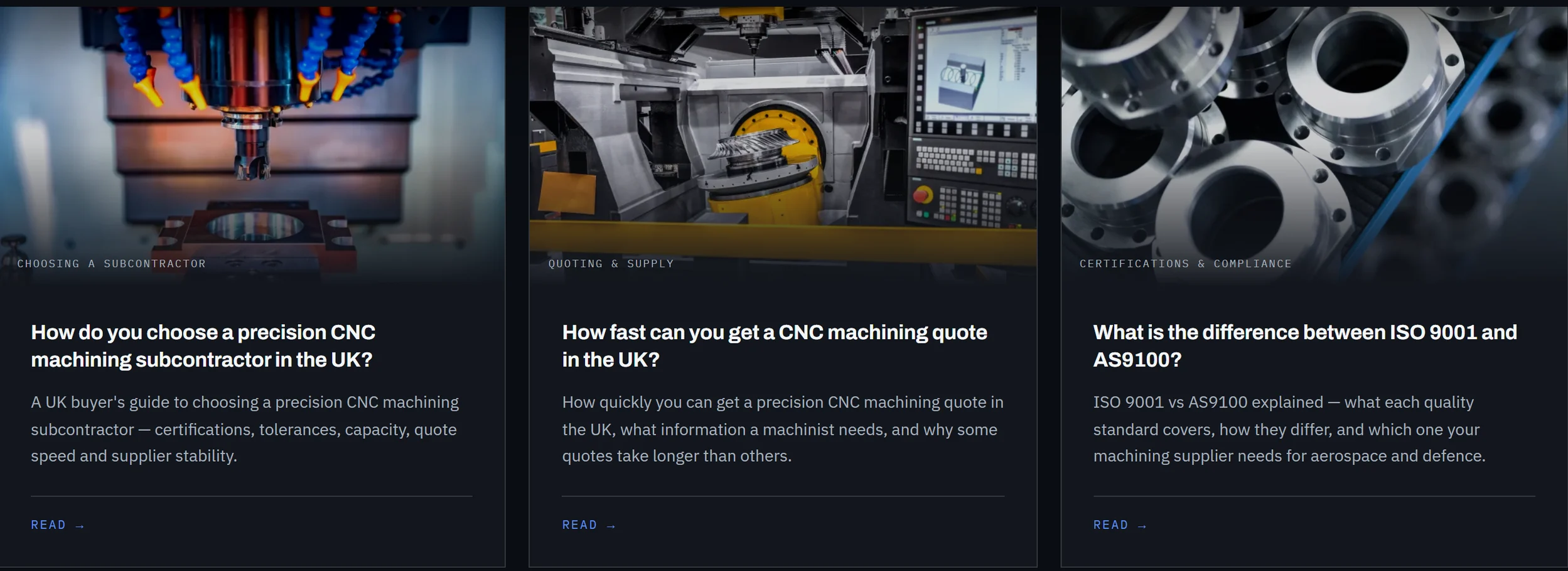
Buyers ask an assistant before they ask a supplier, and it quotes whoever actually answered. Question-led content and structured data put your words in that answer.
Measured, not claimed
2.9s.
Time to main content on a phone, against 6.9s for the median of 5 comparable firms.
Reported
Speed, search visibility and enquiry volume measured on a regular cycle and reported back — so the site is answerable for something rather than just existing.
What I build for adhesives & sealants
A product page per adhesive/sealant with substrate compatibility, cure, temperature and chemical resistance and TDS
A guided product-selector by substrate, application and operating environment
Application and industry pages (assembly, construction, automotive, electronics, MRO)
An SDS library plus a technical-support and sample-request enquiry flow
What manufacturers ask before they hire me. If yours is not here, ask it — the answer is usually short.
I build application and substrate content around the real jobs — bonding this to that, sealing in that environment — so a buyer searching for their exact use case matches your product instead of a generic "adhesives" page.
A guided selector by substrate, application and environment walks the buyer to the right product, which turns a hesitant visitor into a qualified enquiry rather than a bounce to a competitor who made the choice easier.
I publish datasheets as indexable, downloadable pages tied to each product, so the technical and safety data an engineer needs to design your product in is there without a phone call.
Each range gets content framed by what it’s actually for, so a buyer sees the difference between products by application and performance, not by wading through near-identical spec tables.
Application content and easy sample requests get your product in front of design and assembly engineers early, which is where a spec-in decision is made and where the volume relationship starts.
I build a where-to-buy path for distributor sales alongside a technical and sample-request flow, so channel buyers find a stockist while direct technical enquiries still reach you.
More in process, chemicals & coatings
Proof — recent manufacturer work
All case studies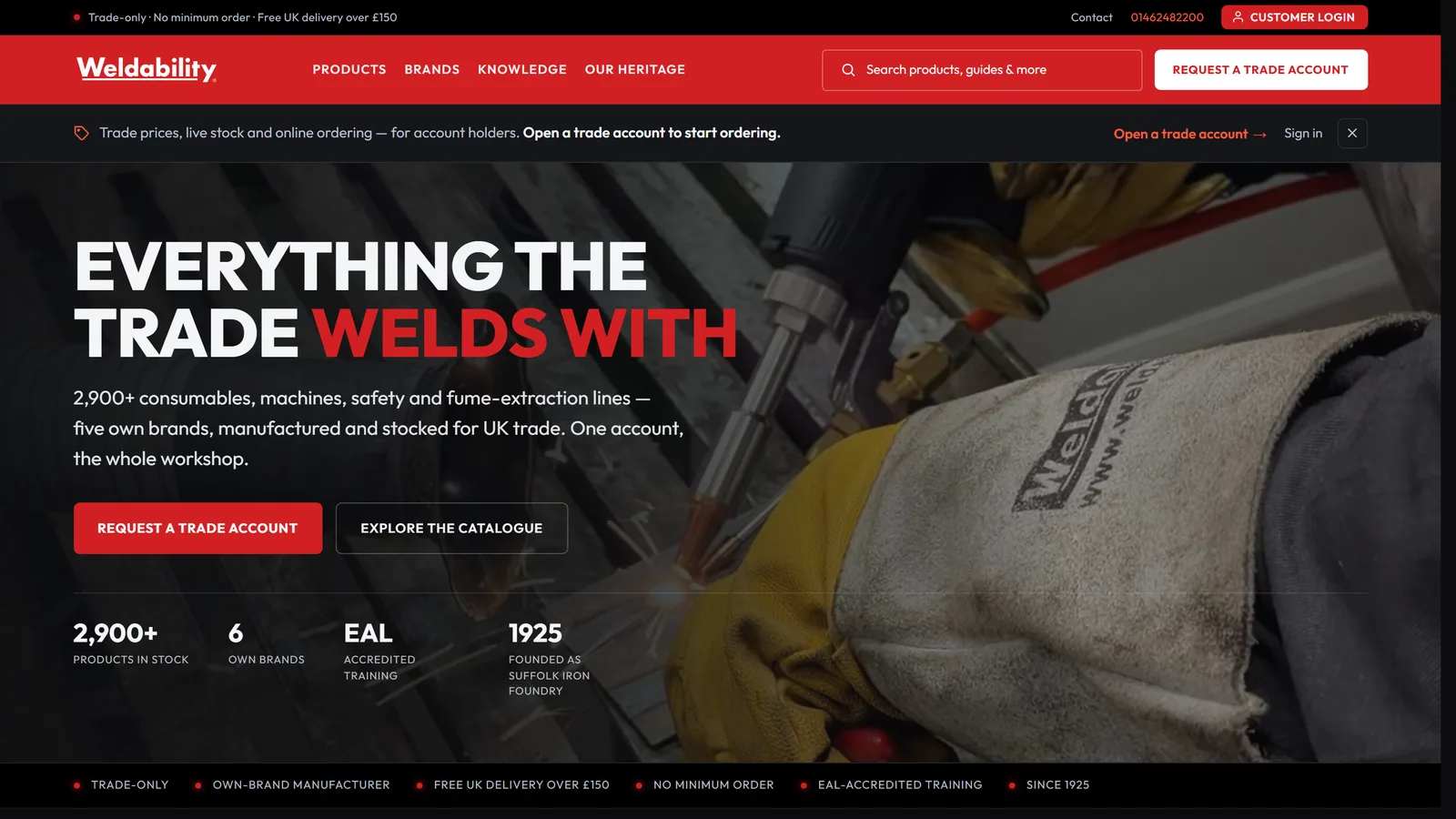
Welding supplies & equipment — trade wholesale
A trade portal for a welding wholesaler founded in 1925 — 3,400 pages, contract pricing, credit and reordering pulled live from the ERP.
Industrial distribution & engineering services
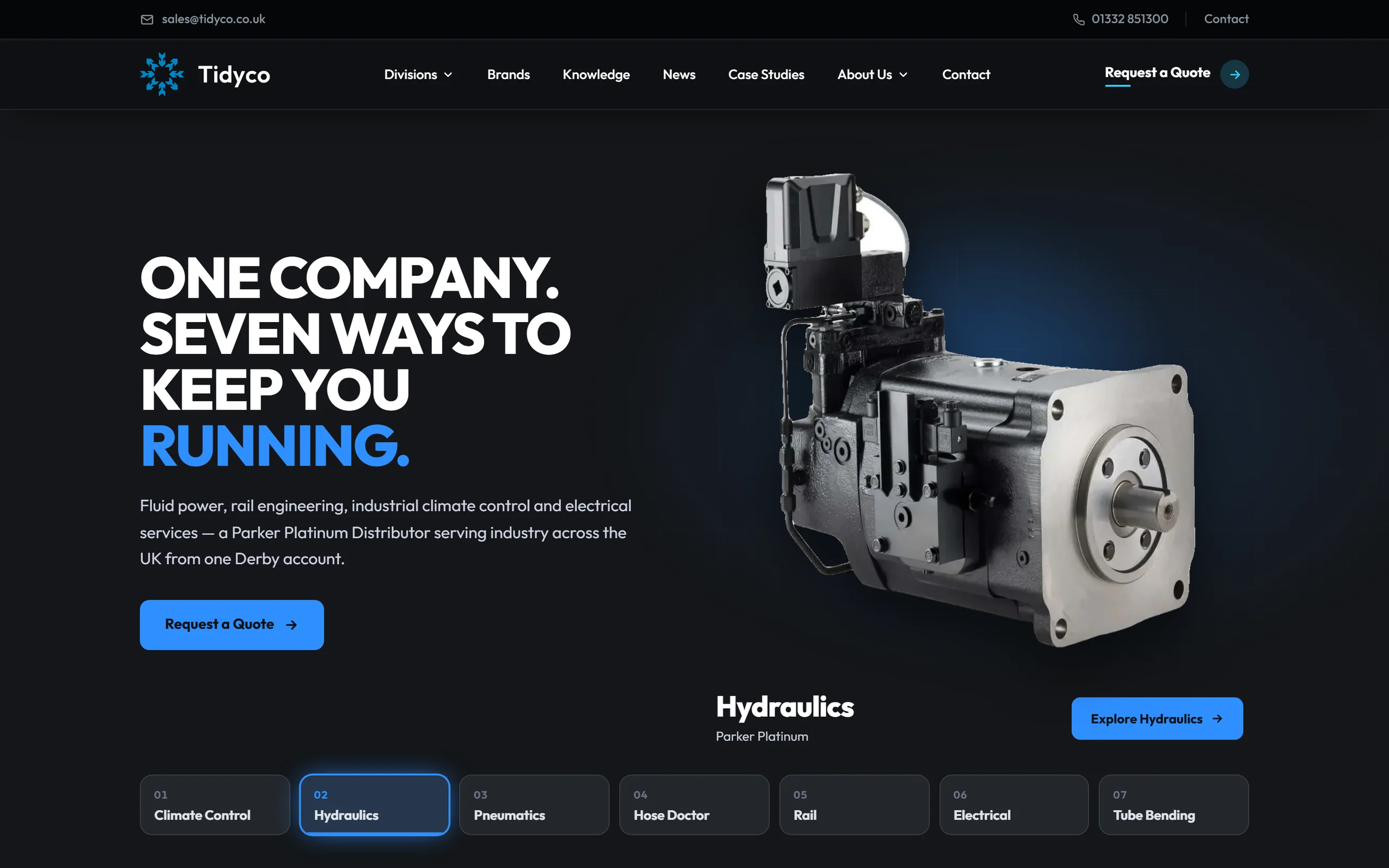
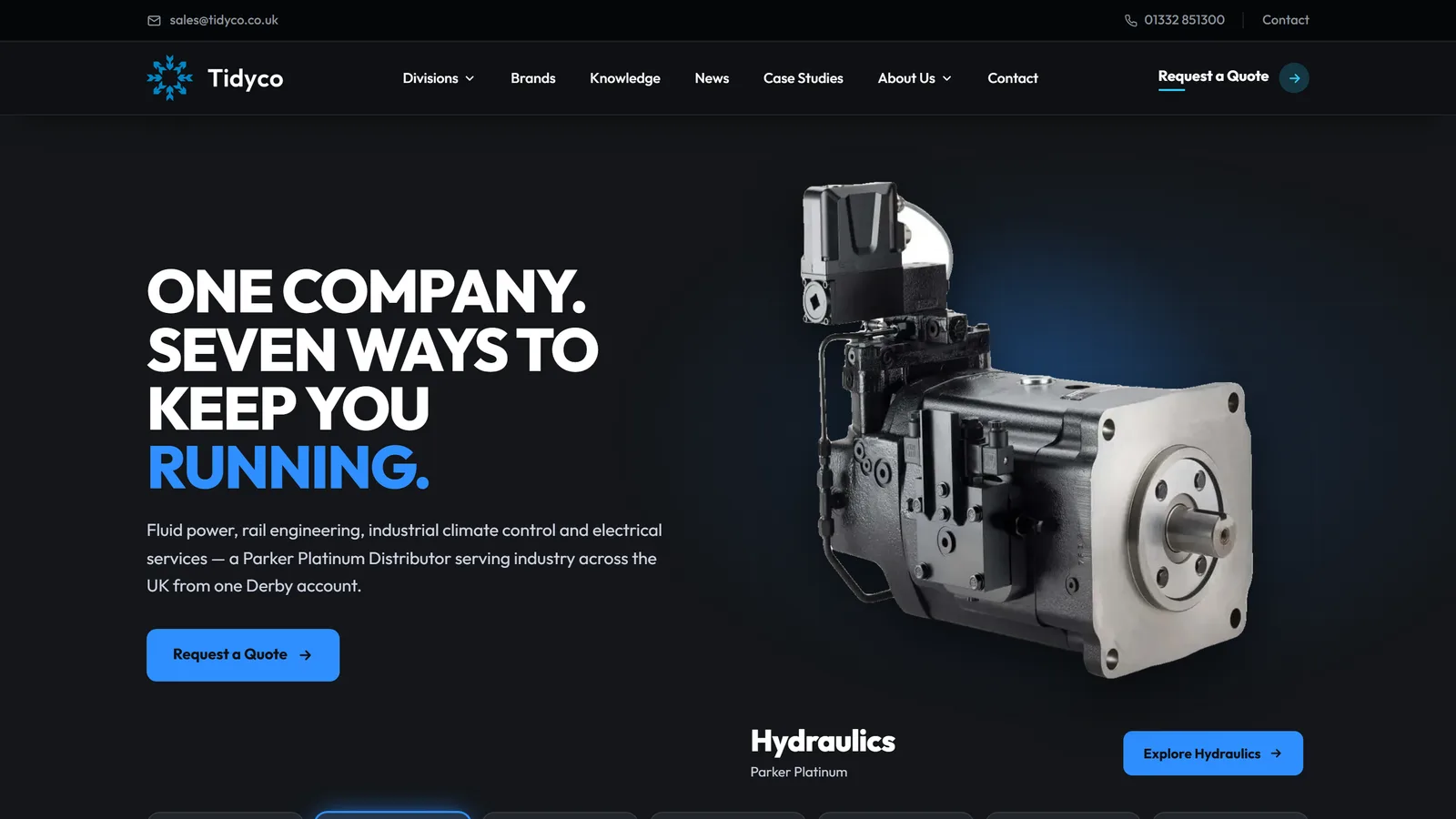
A rebuild for a Derby fluid-power and rail engineering group — seven divisions, one front door, and a 50-guide library that answers buyers before they enquire.
Precision CNC machining
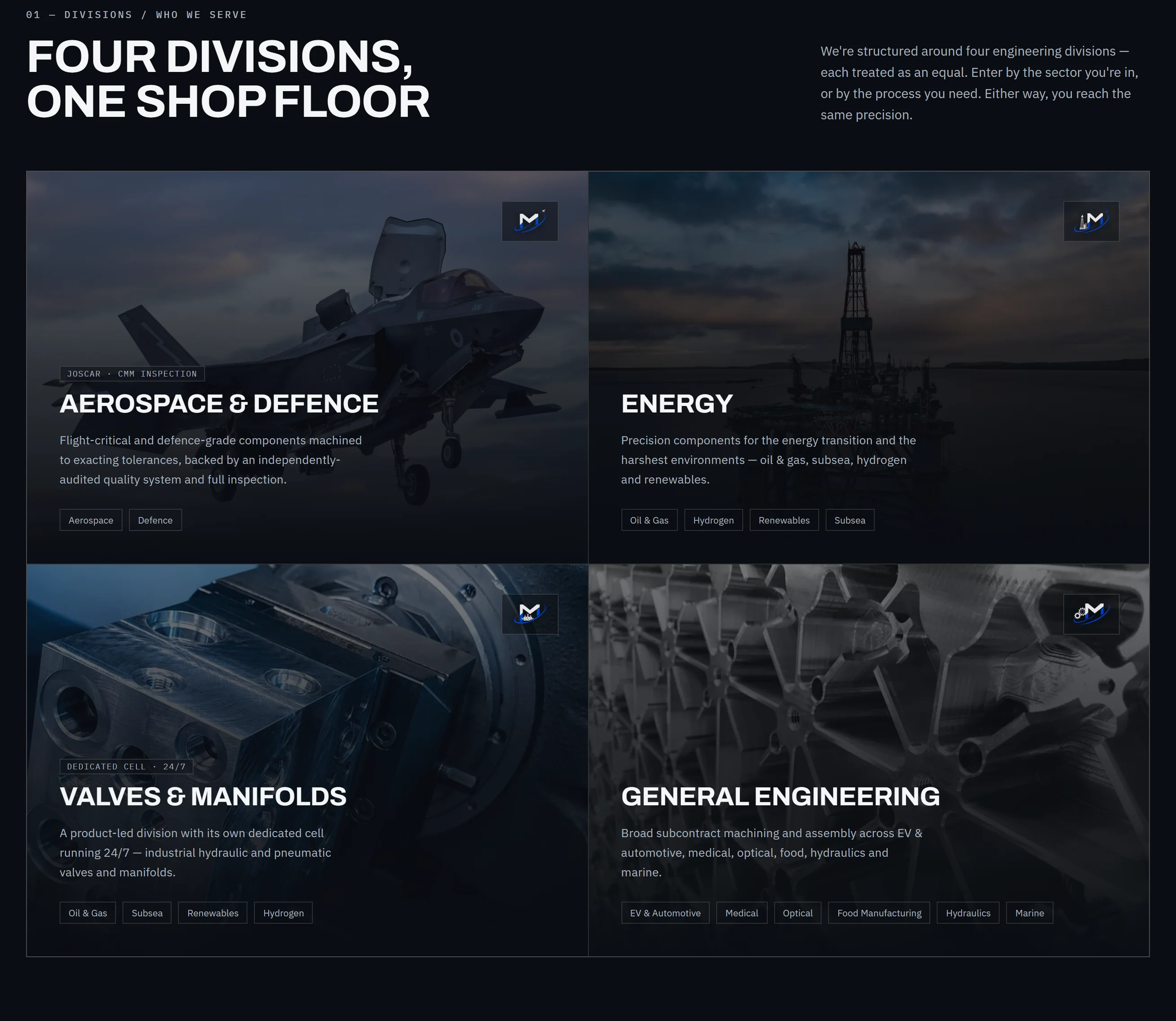
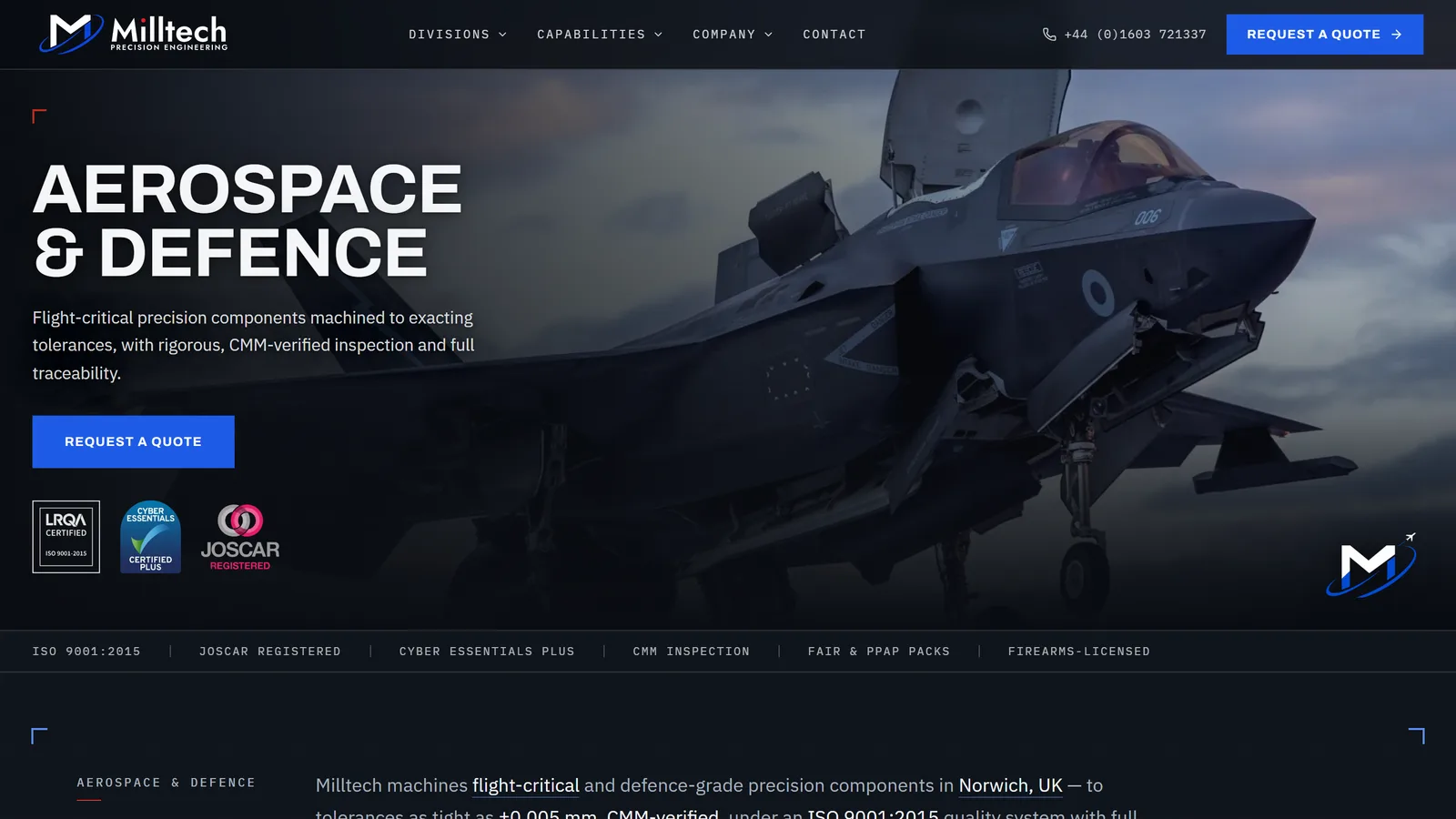
A rebuild for a Norwich CNC subcontractor — four divisions, capability pages that state the tolerance, and a quote path that asks for the drawing.
Related reading
All articlesOpinion
Buyers now run a first-pass supplier filter through ChatGPT before a human ever sees your site. Here's what the AI checks — and why most manufacturers get quietly cut.
Opinion
If your best trade customers still order by phone, it isn't loyalty — it's habit, and habits move to whoever removes the friction first. Here's what shifts it.
How-to
For technical products, the datasheet is what a buyer uses to choose. Locking it in an unfindable PDF hands the enquiry to a competitor who published theirs.
Next
The snapshot checks what assistants currently say about a business like yours, and where the answer comes from. It takes about a minute.