The build
A site written for a technical buyer
Specs, materials, tolerances and capacity laid out in the terms a buyer already searches with — so they can qualify you without an enquiry, and enquire already half-scoped.
Food, Beverage & Consumer-goods
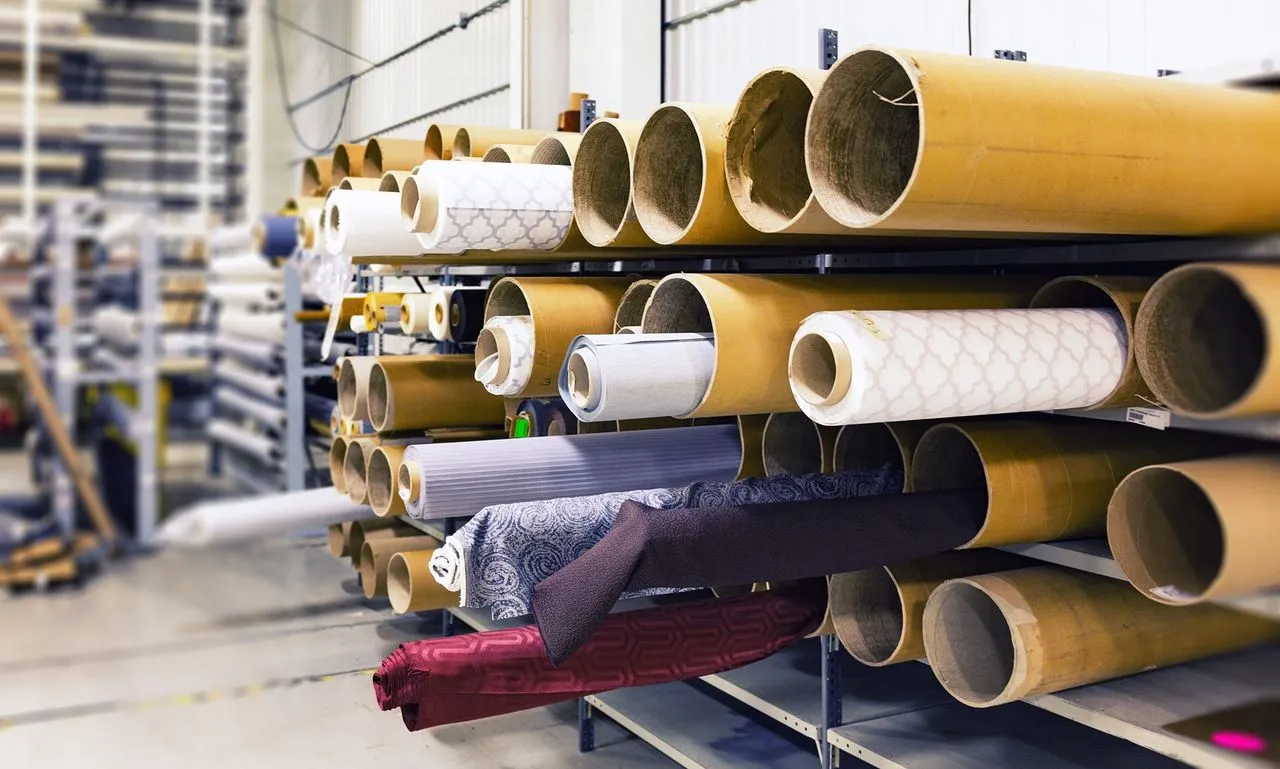
A technical-textile manufacturer sells performance, not fashion — a filtration efficiency, a tensile strength, a flame rating, a coating that survives an environment — to an industrial buyer who has a specification, not a colour preference.
That buyer searches by application and by number, yet most textile sites are built for apparel and never state a single performance figure. I make your materials, performance data and applications legible to the engineer sourcing them, so the specialist enquiry finds you instead of a fabric wholesaler who has no idea what you actually do.
What I'd build you
The build
Specs, materials, tolerances and capacity laid out in the terms a buyer already searches with — so they can qualify you without an enquiry, and enquire already half-scoped.
Found
A page per process, material and sector instead of one “Services” page — every one its own door into the site, matched to how buyers search rather than how the business is organised.
Asked for
Buyers ask an assistant before they ask a supplier, and it quotes whoever actually answered. Question-led content and structured data put your words in that answer.
Measured, not claimed
2.9s.
Time to main content on a phone, against 6.9s for the median of 5 comparable firms.
Reported
Speed, search visibility and enquiry volume measured on a regular cycle and reported back — so the site is answerable for something rather than just existing.
What I build for technical textiles
Application pages (filtration, geotextiles, protective / PPE, automotive, industrial) matched to buyer intent
Material and performance-spec pages stating the properties an engineer sources by
A sample-request flow so a specifying buyer can test before committing
A technical enquiry flow capturing application, performance spec and volumes
What manufacturers ask before they hire me. If yours is not here, ask it — the answer is usually short.
I build application and material pages around the properties you deliver — filtration rating, tensile strength, flame resistance — so an engineer searching for that exact performance reaches you, not an apparel supplier who’ll waste both your time.
Structured material and spec pages state the properties, test standards and applications plainly, so a specifying buyer can confirm the fit before they enquire, which is exactly what separates a real manufacturer from a reseller in their eyes.
A sample-request flow captures the application, the spec they need and their volumes, so you send samples to genuine specifying buyers and get the context to follow up properly rather than posting swatches into the void.
Application pages target those sectors directly, so the buyer in filtration or civil engineering finds a manufacturer who speaks their language, not a generalist they have to educate from scratch.
The enquiry flow captures application, performance spec and volumes up front, so your first response engages with the requirement instead of asking the buyer to start over.
I build content aimed at the OEMs and fabricators who specify your material into their own product, so the B2B buyers who feed you steady, designed-in volume can find and vet you.
More in food, beverage & consumer-goods
Proof — recent manufacturer work
All case studies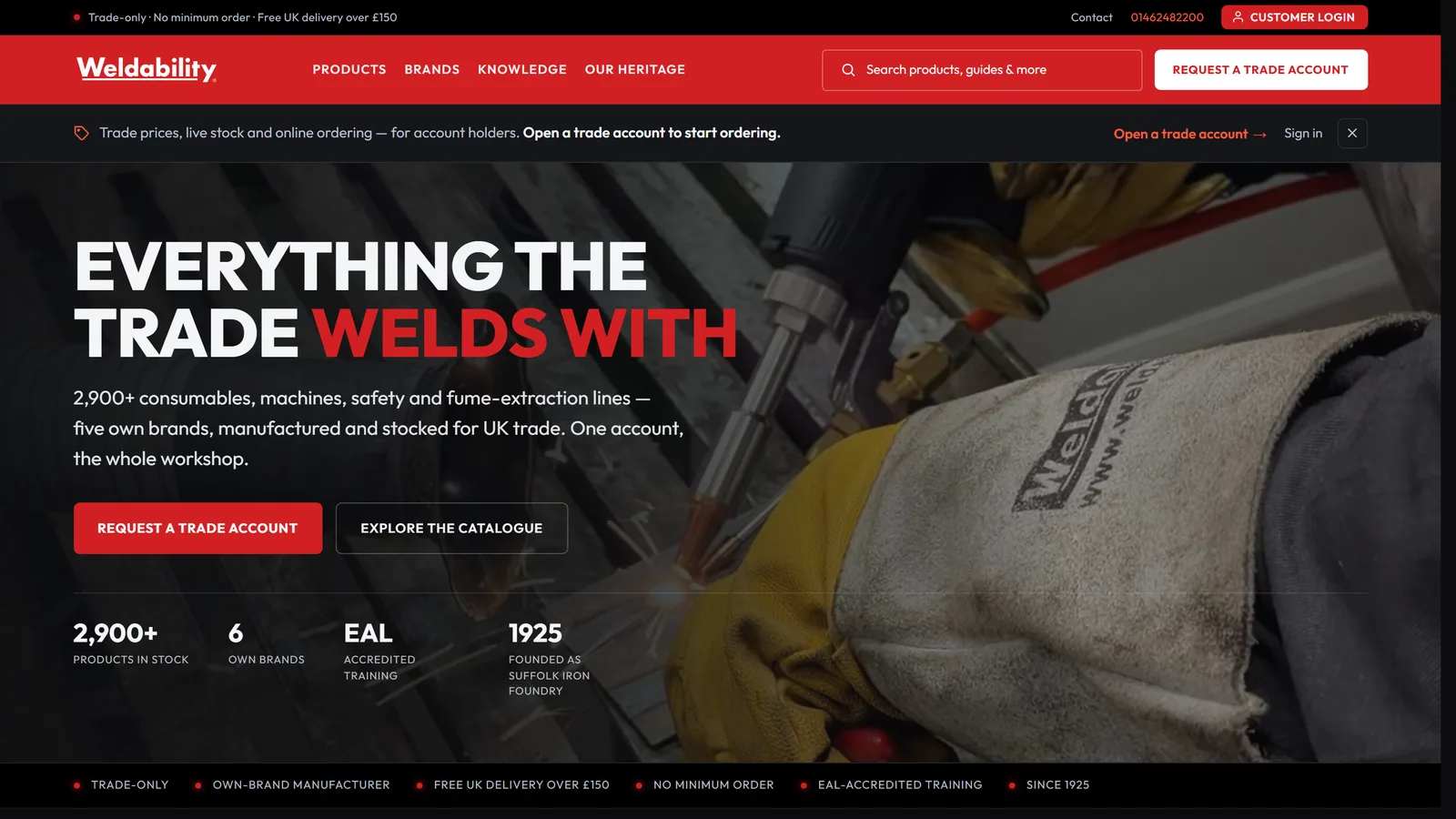
Welding supplies & equipment — trade wholesale
A trade portal for a welding wholesaler founded in 1925 — 3,400 pages, contract pricing, credit and reordering pulled live from the ERP.
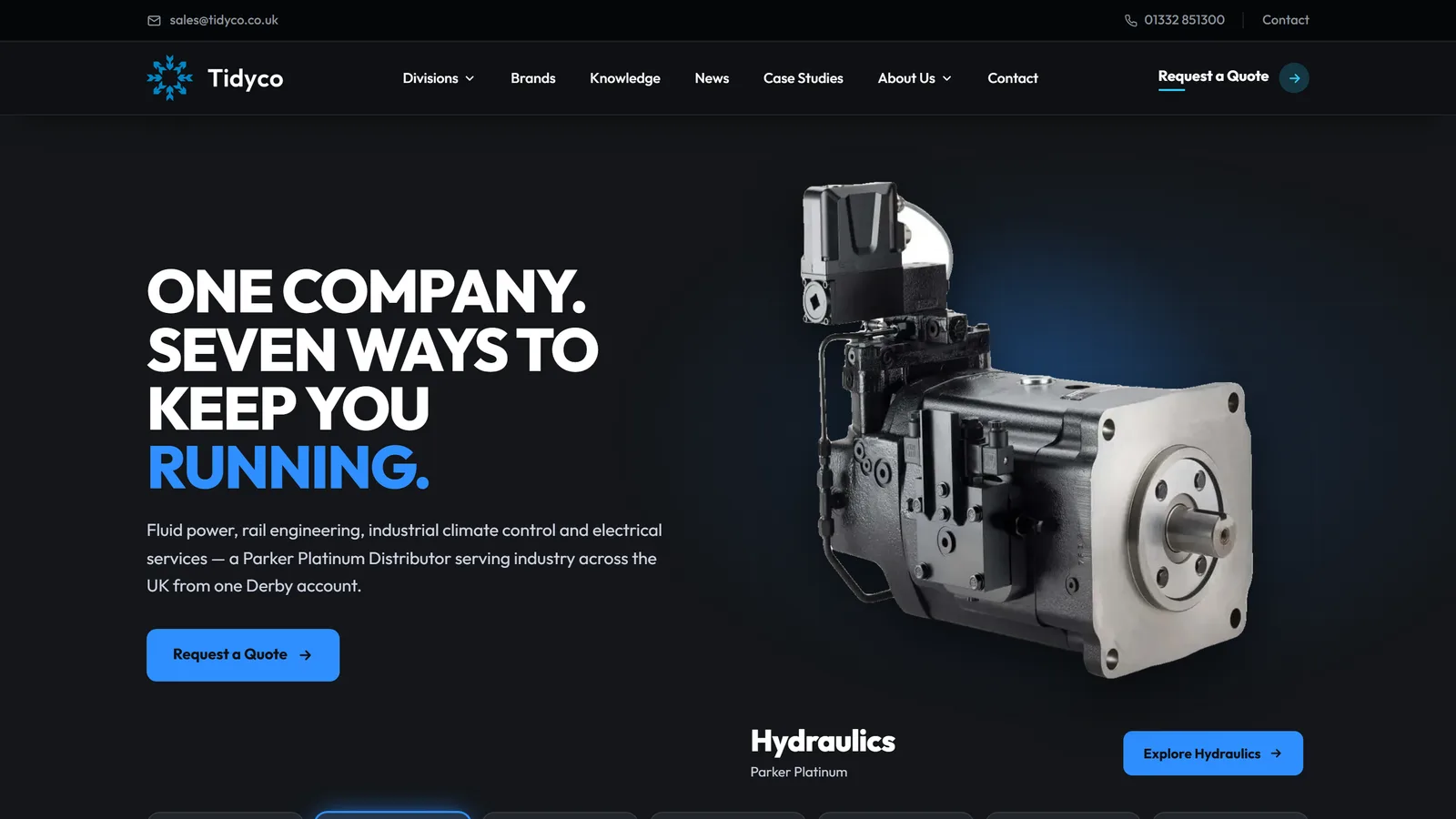
Industrial distribution & engineering services
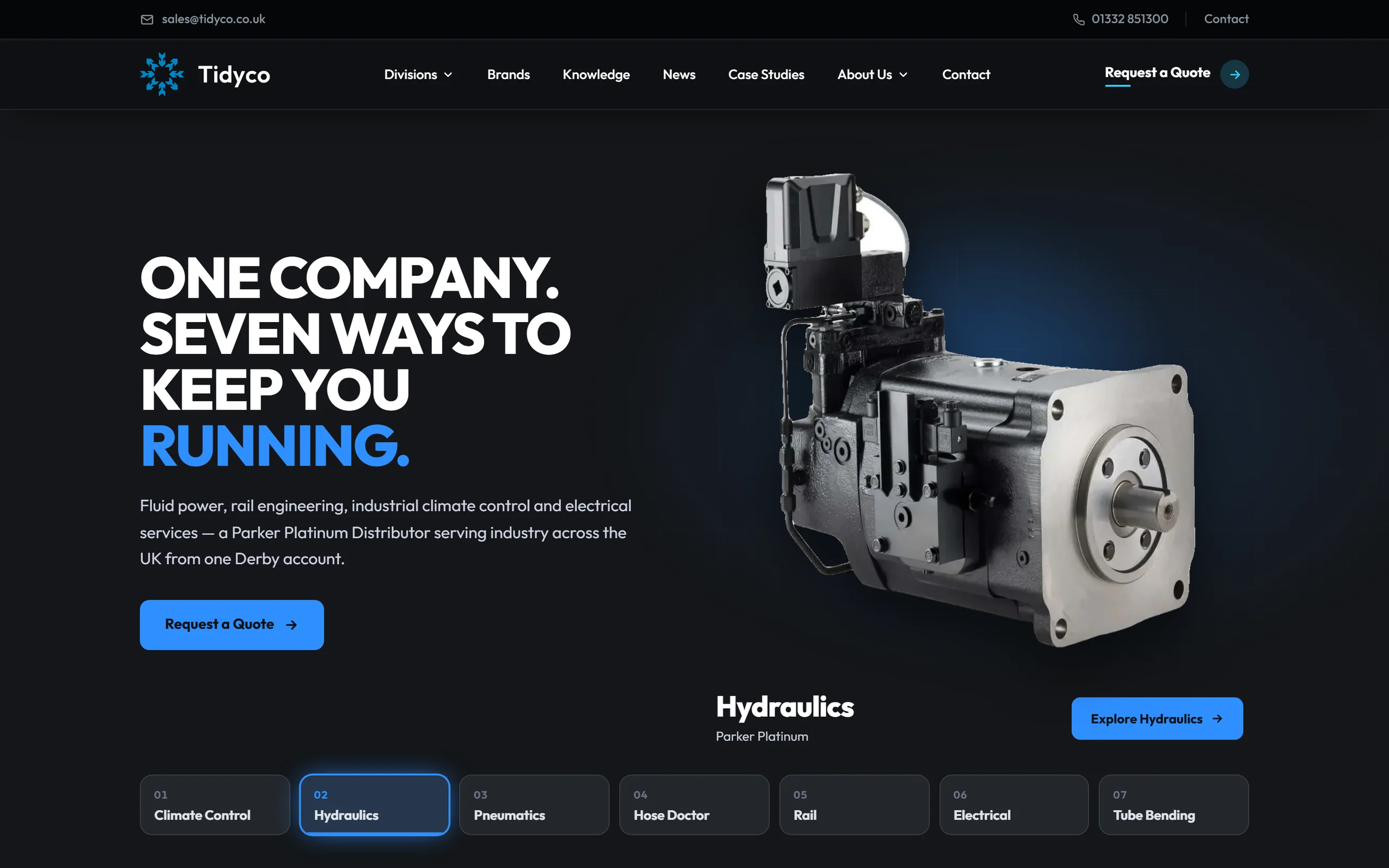
A rebuild for a Derby fluid-power and rail engineering group — seven divisions, one front door, and a 50-guide library that answers buyers before they enquire.
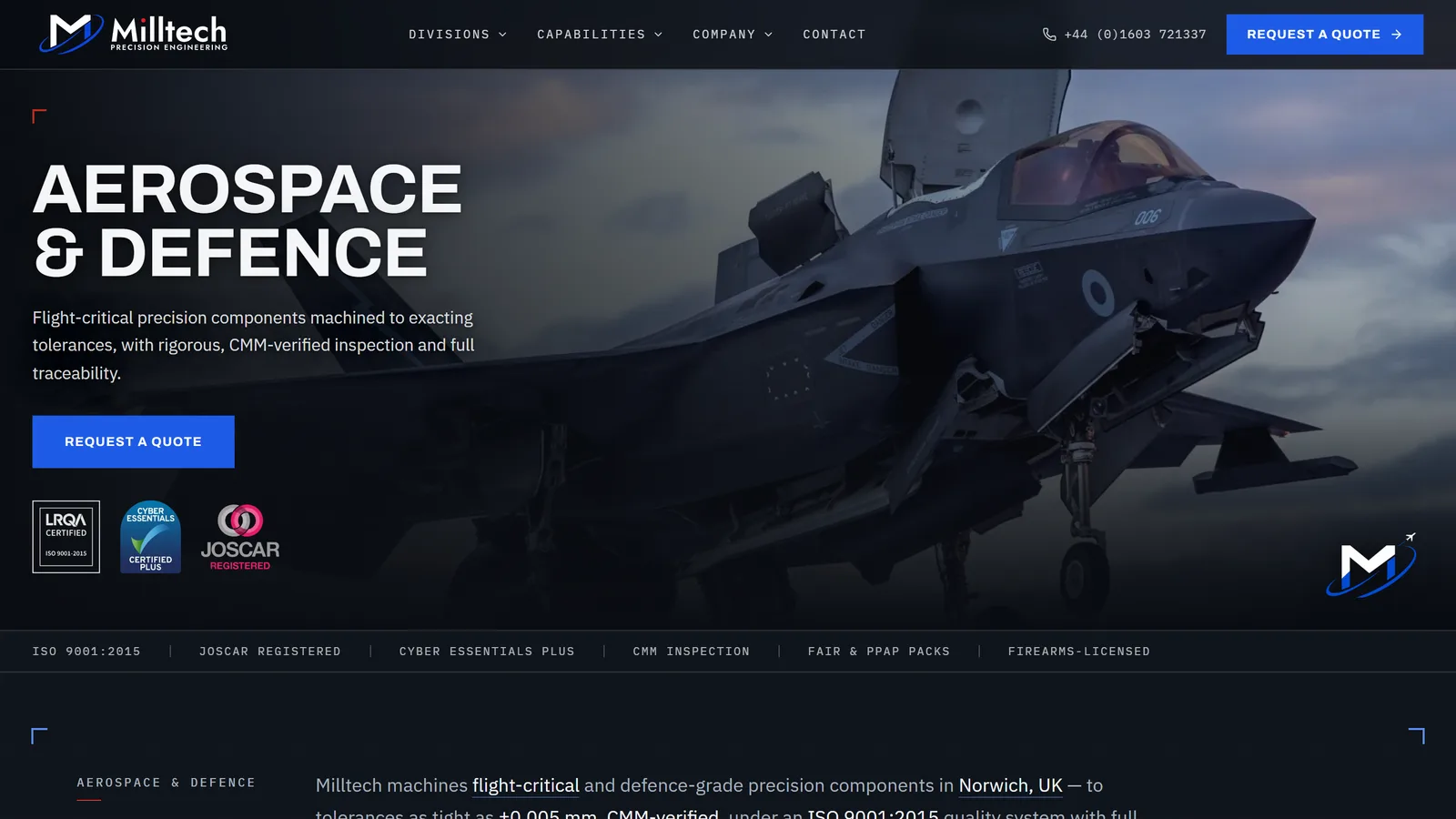
Precision CNC machining
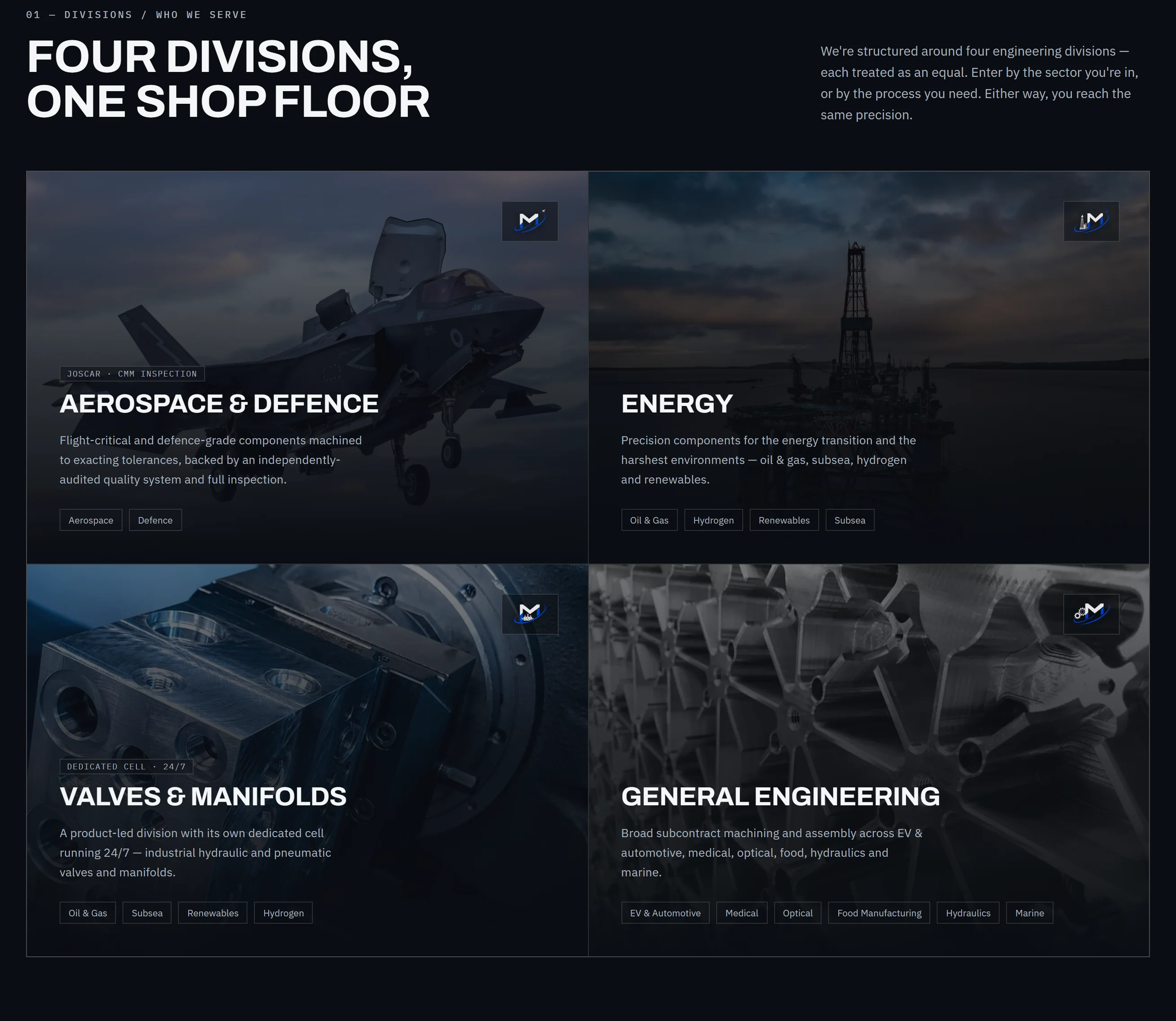
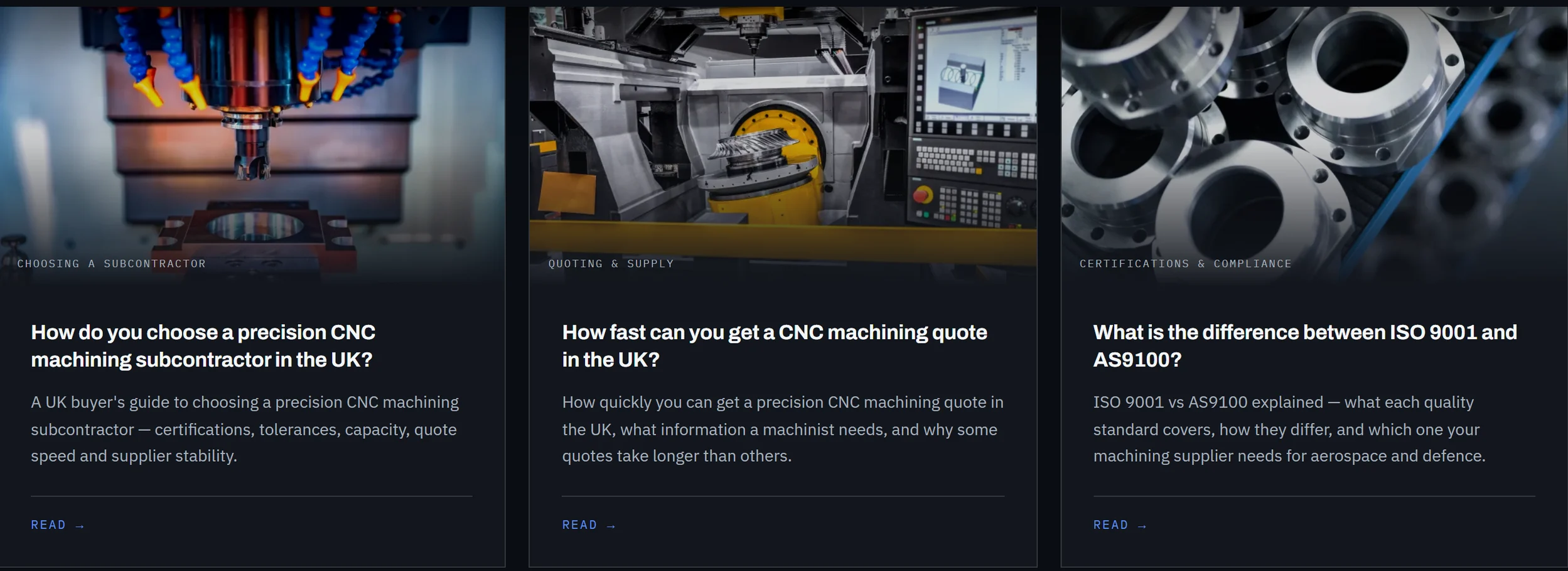
A rebuild for a Norwich CNC subcontractor — four divisions, capability pages that state the tolerance, and a quote path that asks for the drawing.
Next
The snapshot checks what assistants currently say about a business like yours, and where the answer comes from. It takes about a minute.