The build
A site written for a technical buyer
Specs, materials, tolerances and capacity laid out in the terms a buyer already searches with — so they can qualify you without an enquiry, and enquire already half-scoped.
Plastics, Rubber & Composites
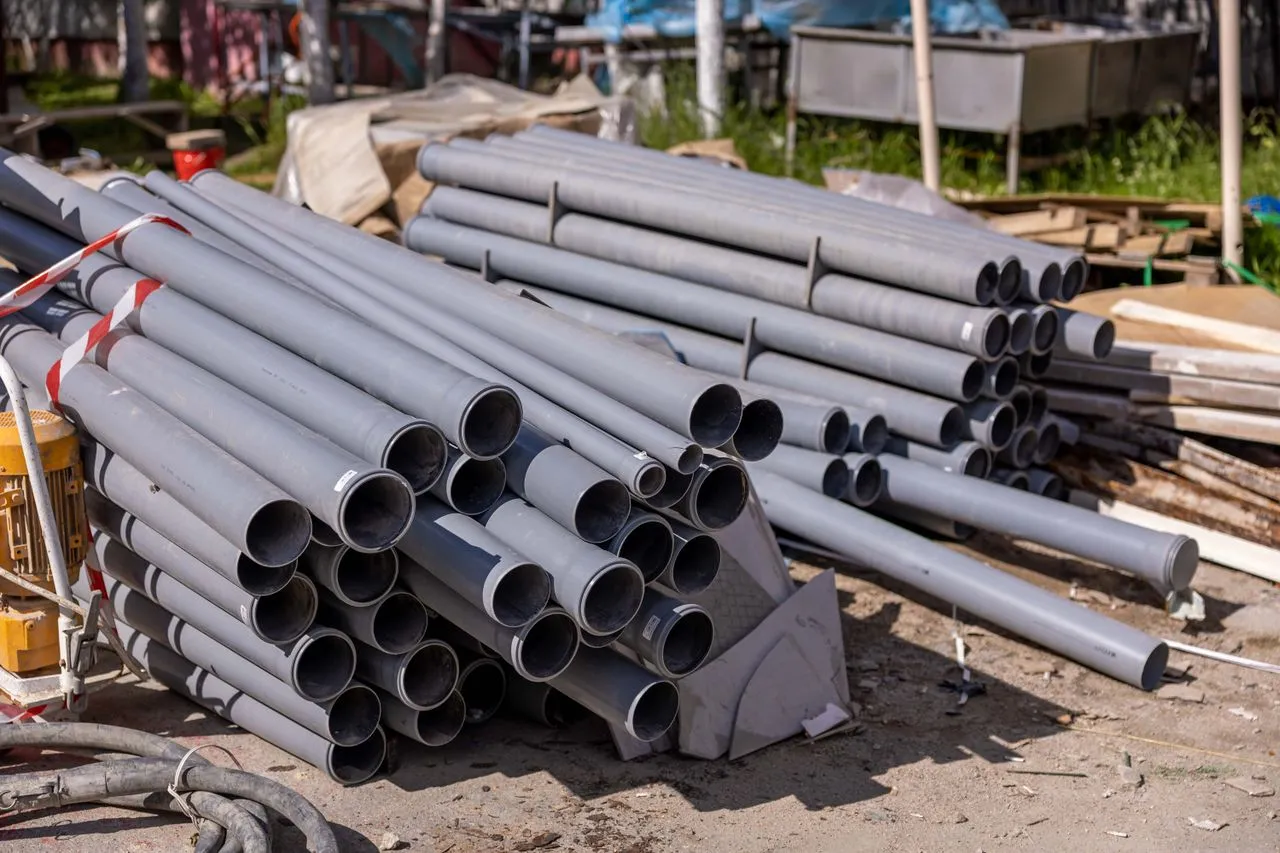
Extrusion is a continuous-profile business, so a buyer is really asking two things: can you make a die for my profile, and can you run it in the material and tolerance I need, at the length and volume I order.
Bespoke-profile buyers and buyers wanting a standard section off the shelf search very differently, and a generic “plastic extrusion” page serves neither. I make your profile range, materials and die capability legible to the exact enquiry, and turn a cross-section sketch into a quotable brief.
What I'd build you
The build
Specs, materials, tolerances and capacity laid out in the terms a buyer already searches with — so they can qualify you without an enquiry, and enquire already half-scoped.
Found
A page per process, material and sector instead of one “Services” page — every one its own door into the site, matched to how buyers search rather than how the business is organised.
Asked for
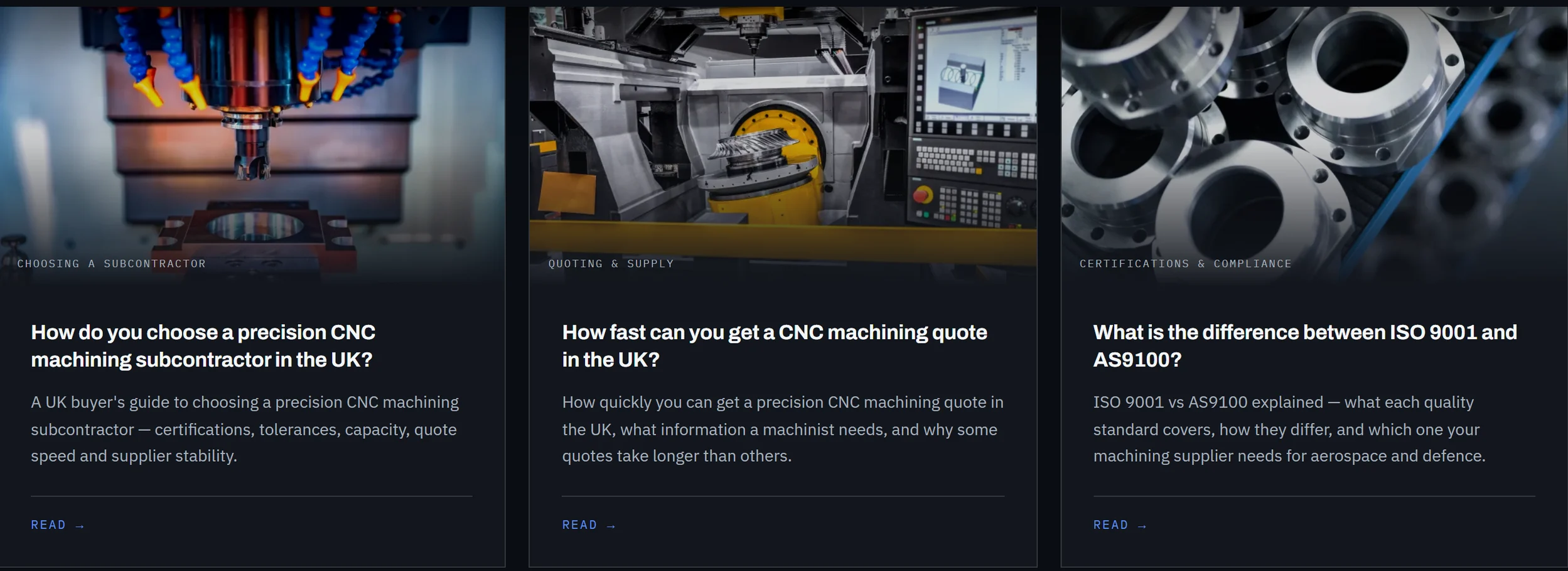
Buyers ask an assistant before they ask a supplier, and it quotes whoever actually answered. Question-led content and structured data put your words in that answer.
Measured, not claimed
2.9s.
Time to main content on a phone, against 6.9s for the median of 5 comparable firms.
Reported
Speed, search visibility and enquiry volume measured on a regular cycle and reported back — so the site is answerable for something rather than just existing.
What I build for extrusion
A profile capability page covering custom-die work, co-extrusion and the section sizes you run
Material pages by polymer and property (rigid PVC, PP, PE, TPE, flexible grades)
Application pages for the sectors you supply (construction, seals & trims, point-of-sale, industrial)
A custom-profile enquiry flow capturing cross-section, material, tolerance, length and annual volume
What manufacturers ask before they hire me. If yours is not here, ask it — the answer is usually short.
I structure content around your profile types and polymers, so a buyer searching for a rigid-PVC section or a co-extruded seal matches to your capability instead of scrolling past a page that just says “extrusions”.
An enquiry flow captures the cross-section or drawing, the material, tolerance, cut length and annual volume, so you can price the die and the run without a chain of clarifying emails.
I give in-house die design and tooling its own content, because a buyer with a new profile is choosing between a supplier who can tool it and one who can’t, and that capability is often the whole decision.
Yes — co-extrusion, dual-hardness and rigid-to-flexible work gets its own page, since the buyer who needs a two-material profile is a specialist search that a general extrusion page never captures.
Application pages target those sectors directly, so a fabricator or brand looking for extruded trims, seals or display sections finds an extruder who already serves their world.
Content around scheduled call-offs, stock-holding and repeatability positions you for the ongoing supply relationships where the margin sits, not just a single trial run.
More in plastics, rubber & composites
Proof — recent manufacturer work
All case studies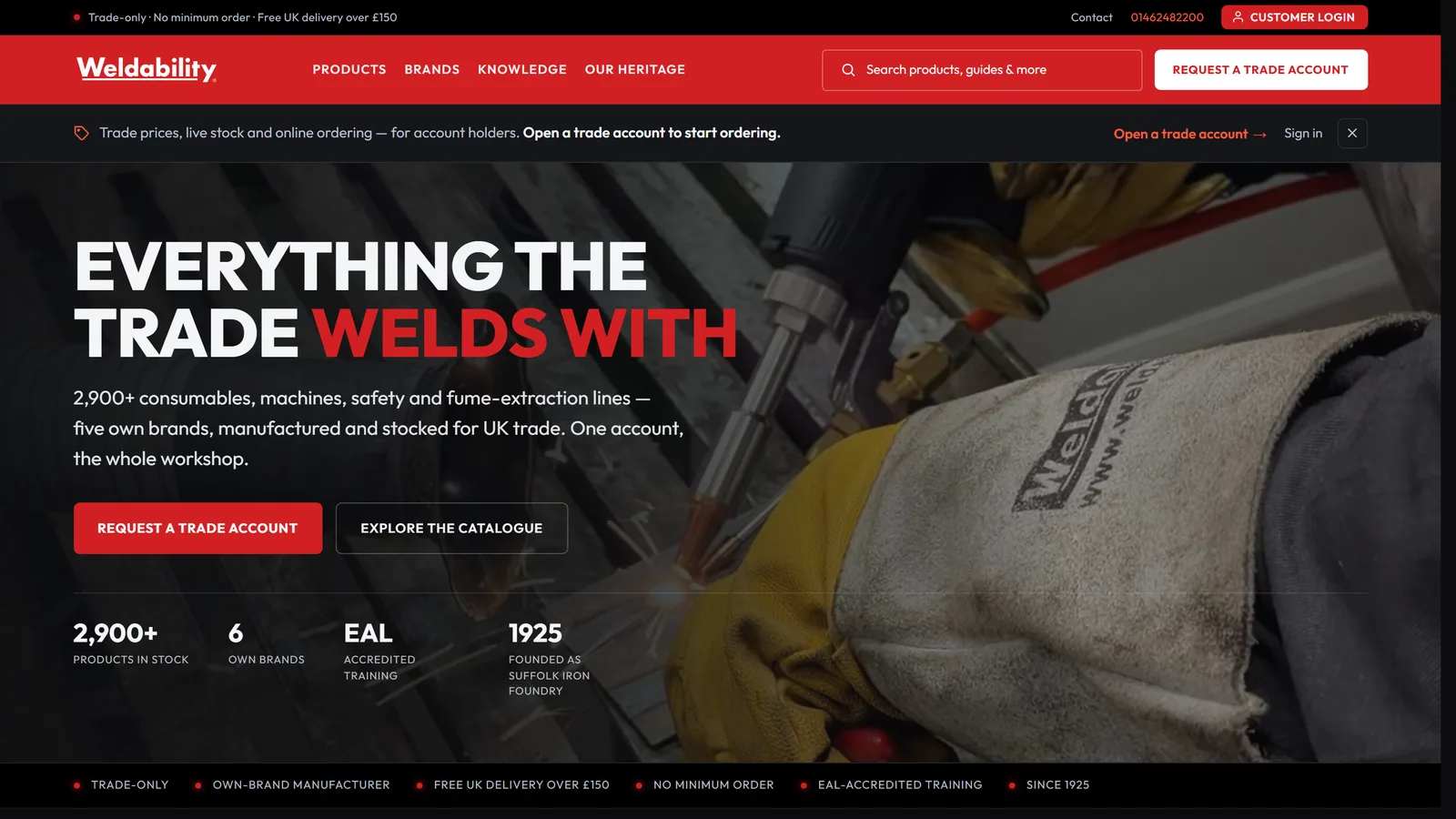
Welding supplies & equipment — trade wholesale
A trade portal for a welding wholesaler founded in 1925 — 3,400 pages, contract pricing, credit and reordering pulled live from the ERP.
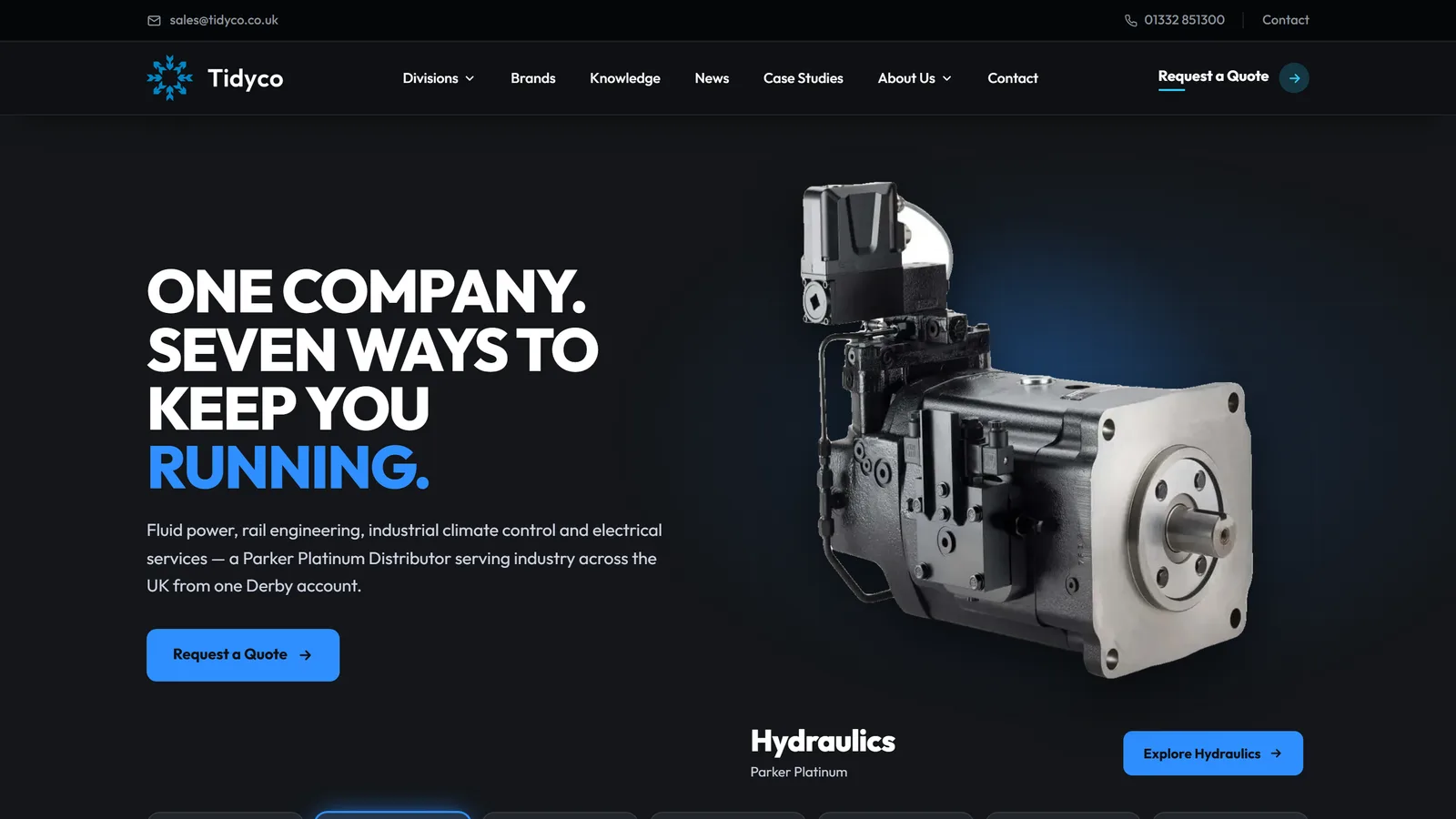
Industrial distribution & engineering services
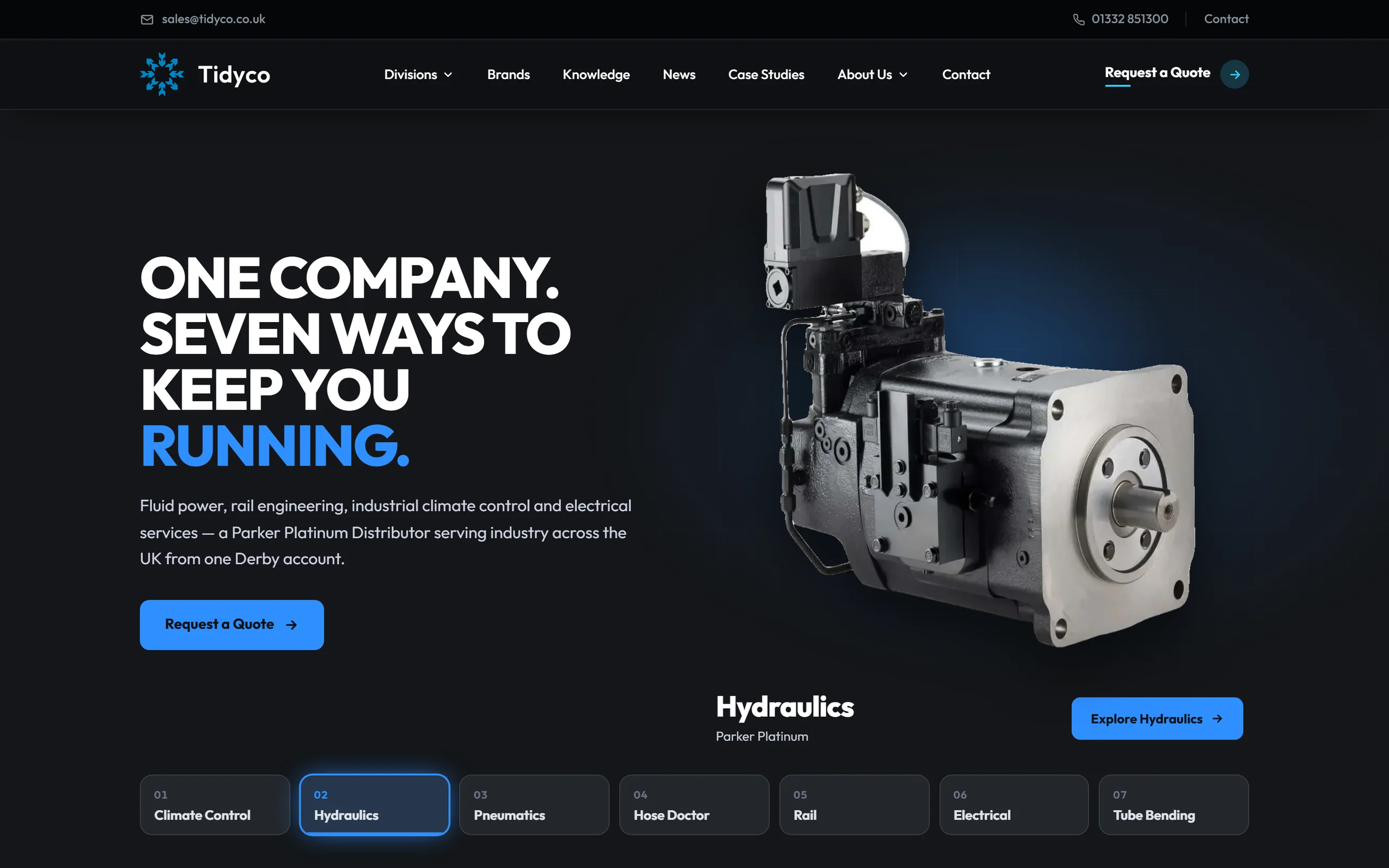
A rebuild for a Derby fluid-power and rail engineering group — seven divisions, one front door, and a 50-guide library that answers buyers before they enquire.
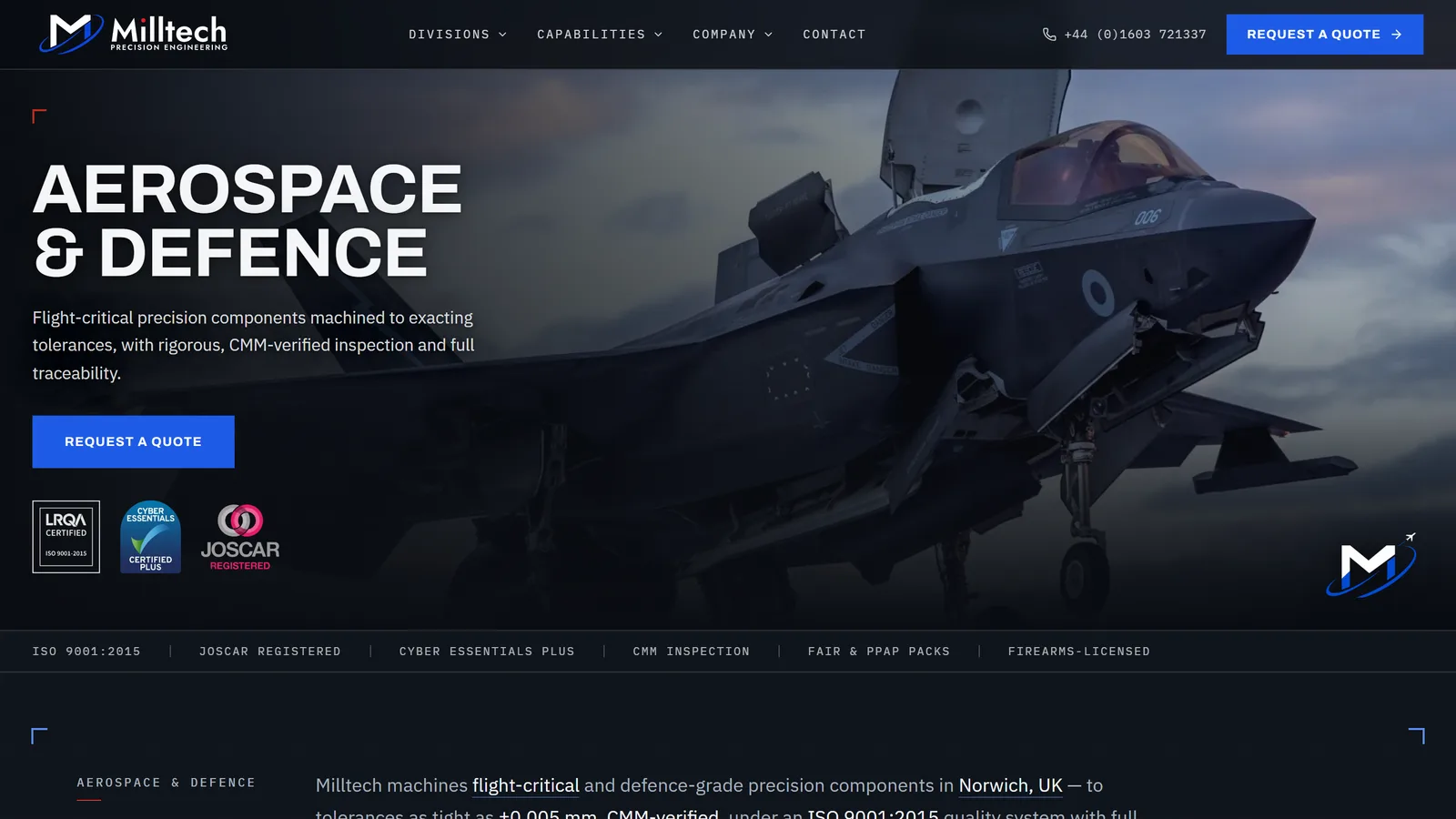
Precision CNC machining
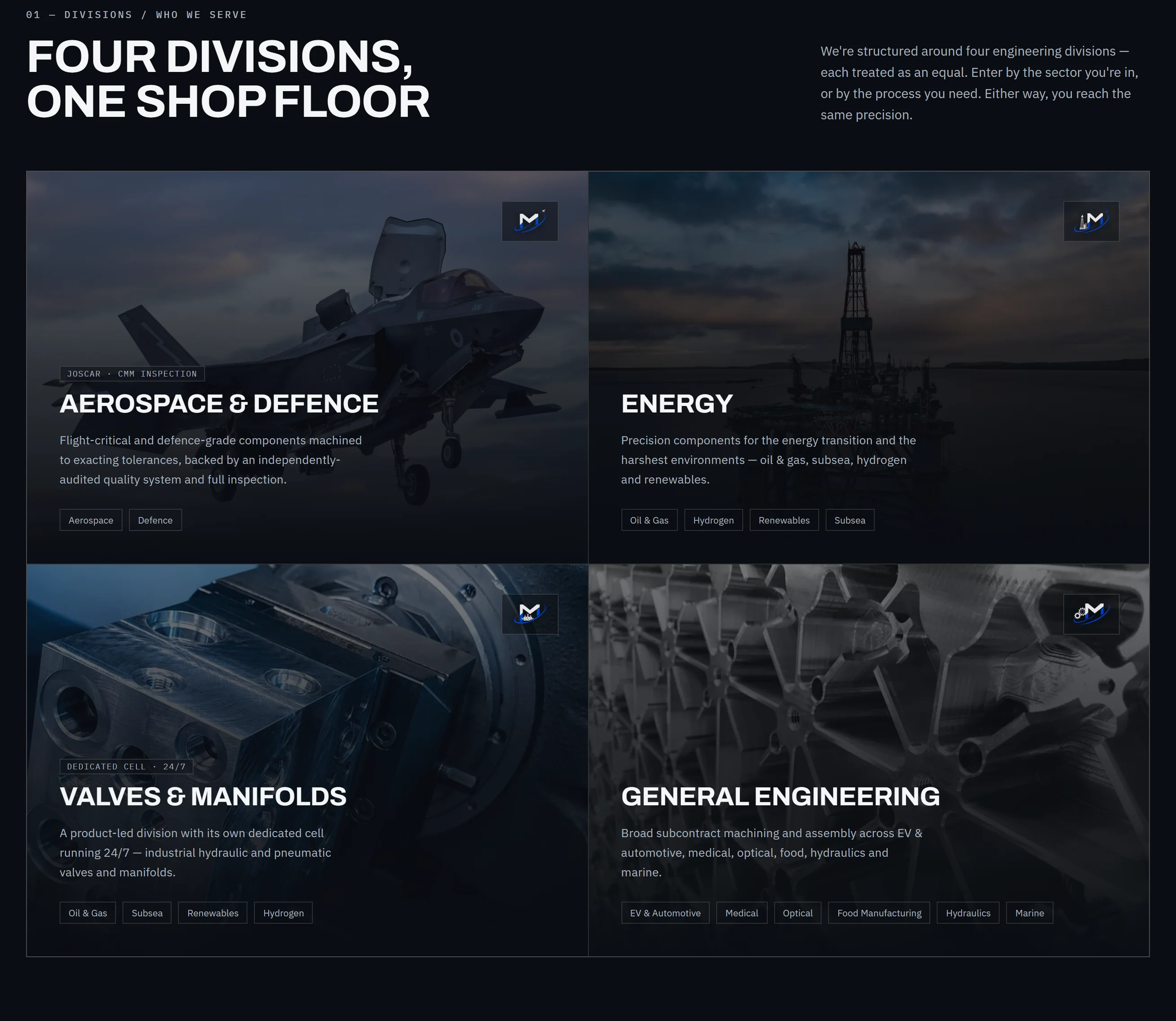
A rebuild for a Norwich CNC subcontractor — four divisions, capability pages that state the tolerance, and a quote path that asks for the drawing.
Next
The snapshot checks what assistants currently say about a business like yours, and where the answer comes from. It takes about a minute.