The build
A site written for a technical buyer
Specs, materials, tolerances and capacity laid out in the terms a buyer already searches with — so they can qualify you without an enquiry, and enquire already half-scoped.
Machining & Precision
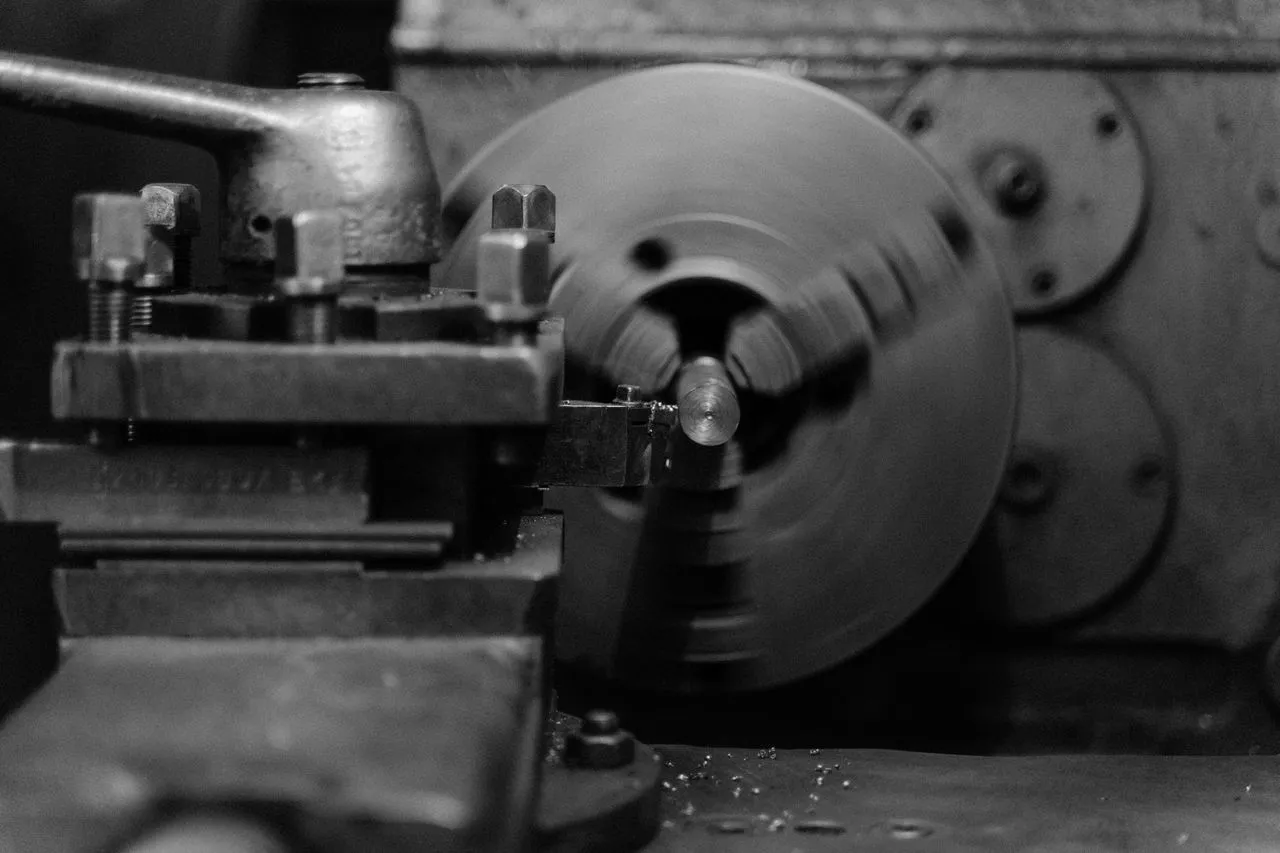
Turned-part work turns on bar capacity, live tooling, sliding-head vs fixed-head, and whether you can hold size across a long production run.
Buyers looking for turning have a specific part in mind — a diameter, a material, a volume — and want to know in seconds if you fit. I put those specs where buyers and AI can read them, and turn a drawing into an RFQ.
What I'd build you
The build
Specs, materials, tolerances and capacity laid out in the terms a buyer already searches with — so they can qualify you without an enquiry, and enquire already half-scoped.
Found
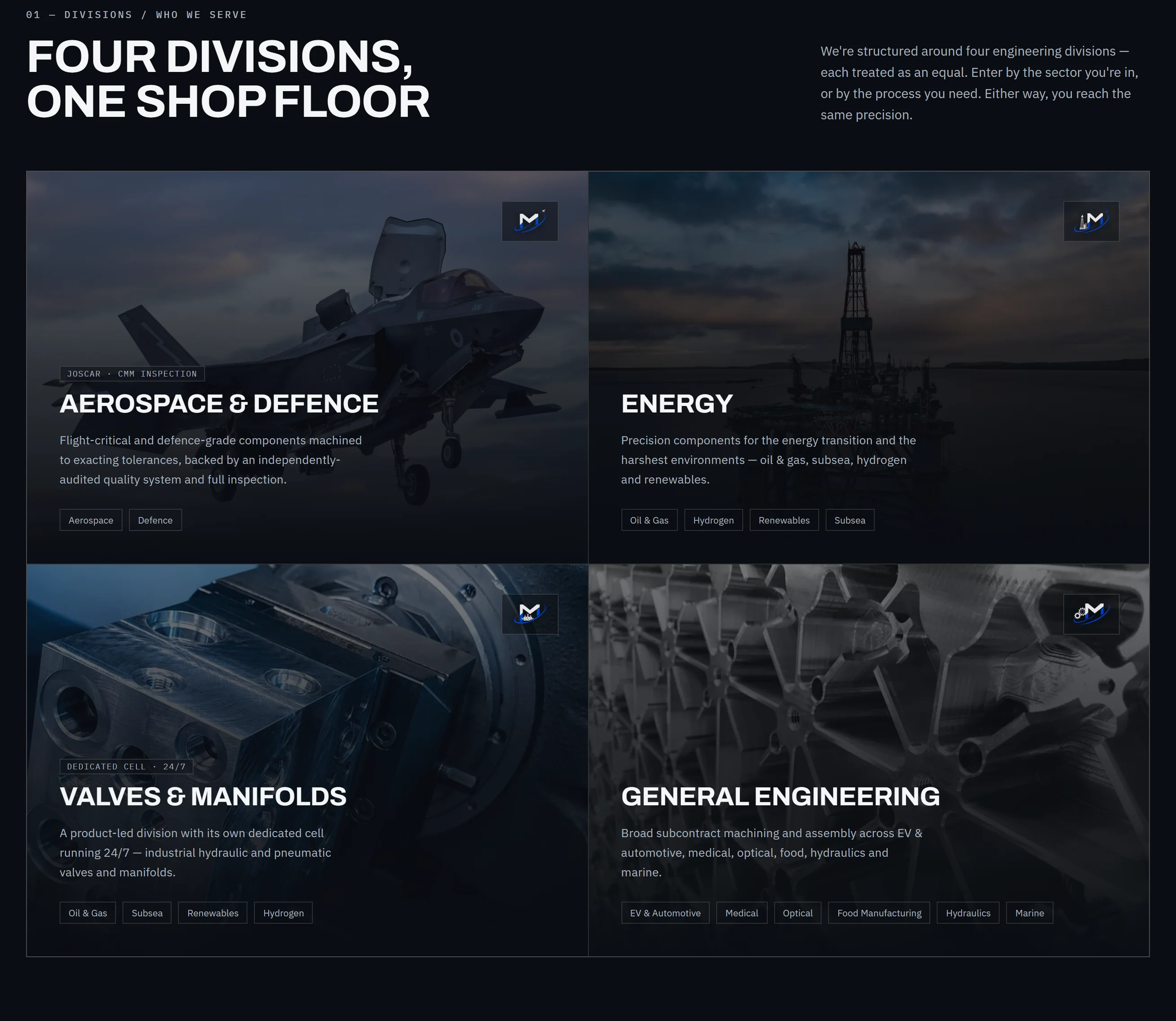
A page per process, material and sector instead of one “Services” page — every one its own door into the site, matched to how buyers search rather than how the business is organised.
Asked for
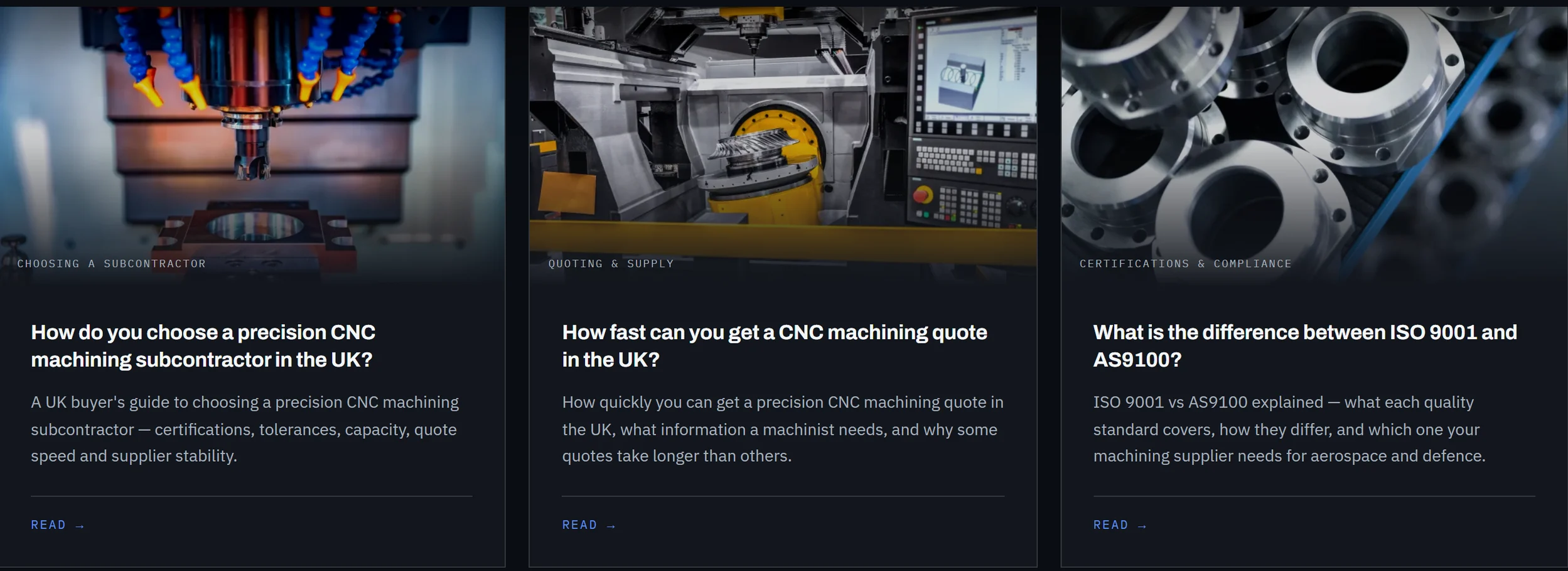
Buyers ask an assistant before they ask a supplier, and it quotes whoever actually answered. Question-led content and structured data put your words in that answer.
Measured, not claimed
2.9s.
Time to main content on a phone, against 6.9s for the median of 5 comparable firms.
Reported
Speed, search visibility and enquiry volume measured on a regular cycle and reported back — so the site is answerable for something rather than just existing.
What I build for cnc turning
Capability content by machine type — fixed-head, sliding-head/Swiss, mill-turn — with max diameter and bar capacity
Volume/repeatability pages that position you for scheduled production, not just one-offs
Material and finish pages (free-machining steels, stainless, brass, exotics)
A drawing-upload RFQ capturing diameter, material, quantity and tolerance
What manufacturers ask before they hire me. If yours is not here, ask it — the answer is usually short.
A structured capability page lays out max turned diameter, bar capacity, live tooling and typical tolerances so a buyer can confirm the fit without a call.
I build content around scheduling, repeatability and in-process inspection, so a buyer sourcing a production partner recognises you're set up for it — that's where the margin and the retainer-grade relationships are.
Yes — Swiss and long small-diameter work gets its own capability page, because a buyer with a 6mm medical component searches very differently from one wanting 80mm shafts.
A drawing-upload RFQ captures the part, material, quantity and tolerance so quoting starts immediately with everything you need.
Material pages target the exact search terms, so "Inconel turning" or "brass turned components" name you instead of routing the buyer to a generalist.
If you carry a catalogue of standard components, a store with live stock is worth it; for bespoke turning, an RFQ flow is the right journey. I'll build whichever your mix actually calls for.
More in machining & precision
Proof — recent manufacturer work
All case studies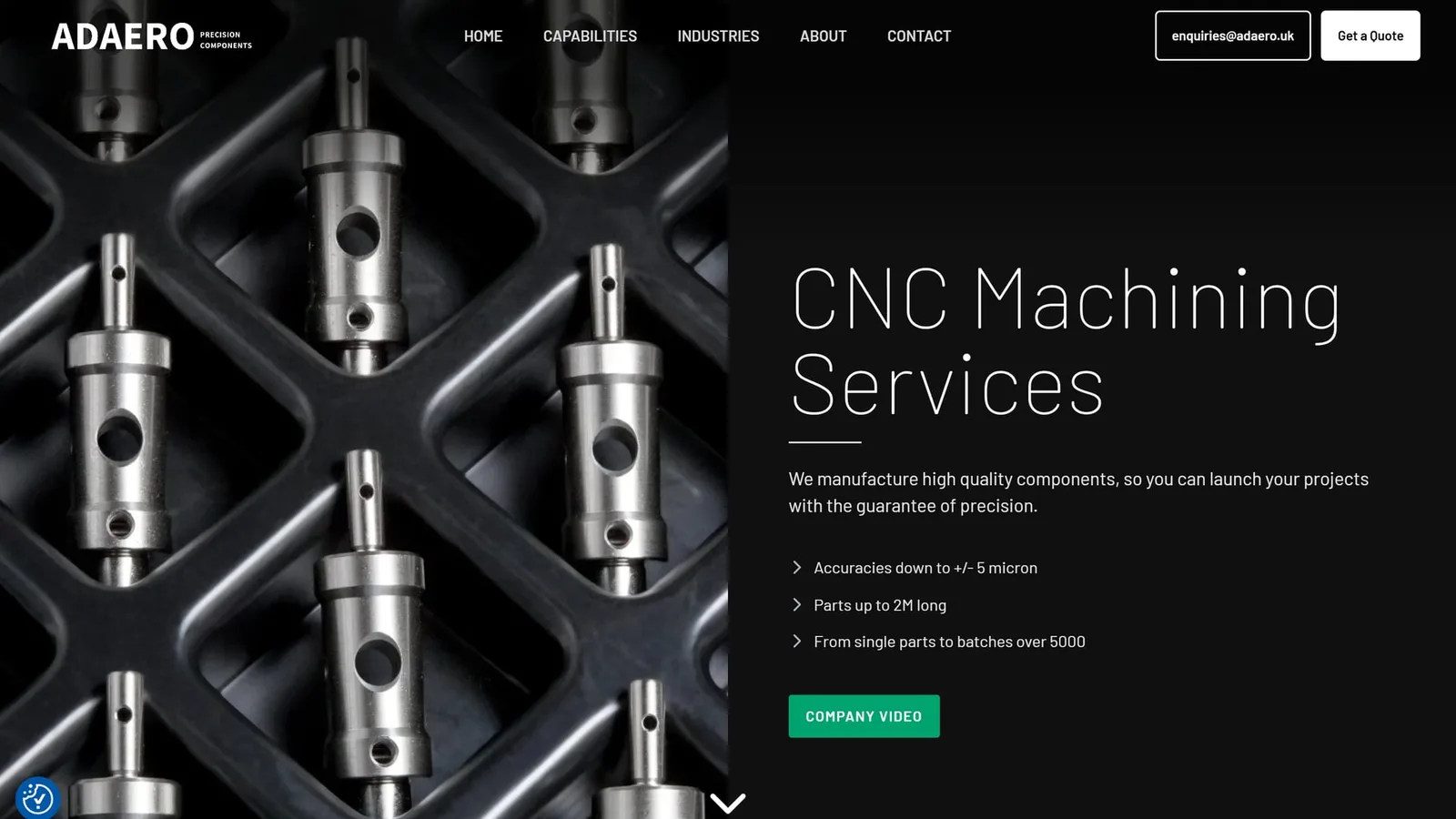
Precision CNC machining
A new website for Adaero Precision Components, replacing a one-page brochure with a CNC machining presence that earns credibility at the procurement table.
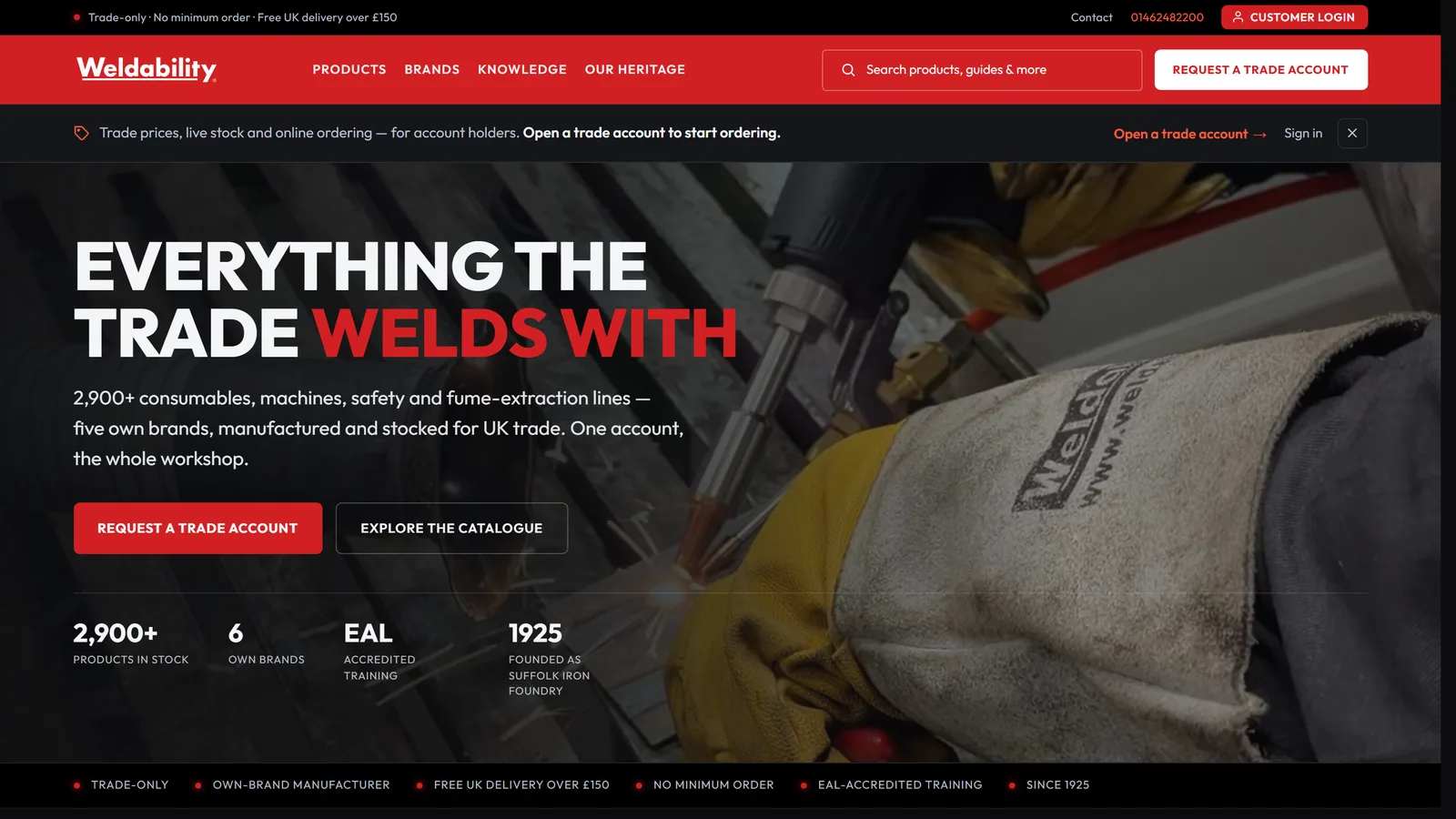
Welding supplies & equipment — trade wholesale
A trade portal for a welding wholesaler founded in 1925 — 3,400 pages, contract pricing, credit and reordering pulled live from the ERP.
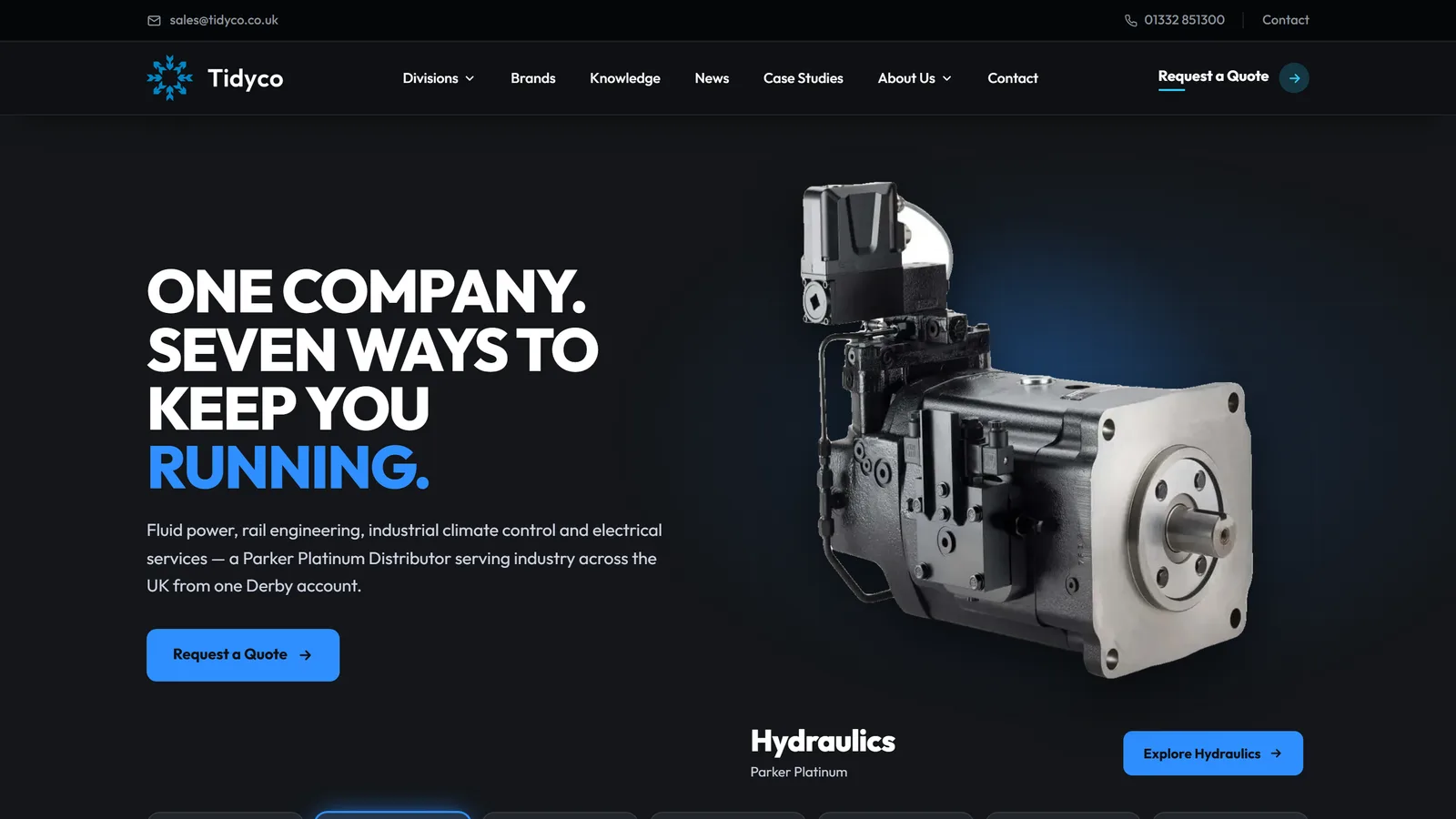
Industrial distribution & engineering services
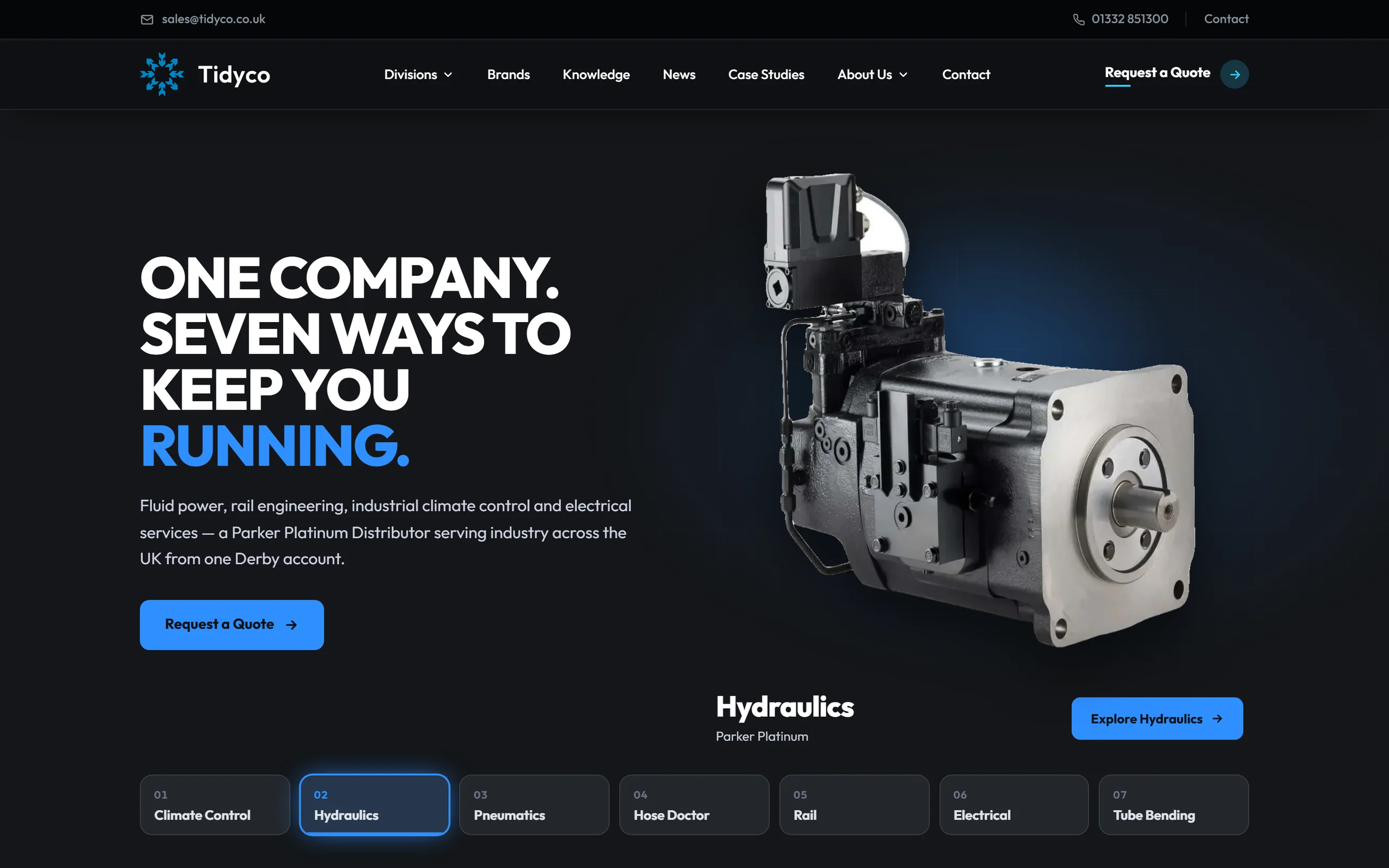
A rebuild for a Derby fluid-power and rail engineering group — seven divisions, one front door, and a 50-guide library that answers buyers before they enquire.
Related reading
All articlesOpinion
Buyers now run a first-pass supplier filter through ChatGPT before a human ever sees your site. Here's what the AI checks — and why most manufacturers get quietly cut.
Teardown
An anonymised walk through a typical precision-machining homepage, the way a procurement buyer would see it — and the five things quietly sending them to a competitor.
How-to
Site speed sounds like a developer's obsession. For a B2B manufacturer it's a commercial signal — one of the few technical things a buyer notices without realising.
Next
The snapshot checks what assistants currently say about a business like yours, and where the answer comes from. It takes about a minute.