The build
A site written for a technical buyer
Specs, materials, tolerances and capacity laid out in the terms a buyer already searches with — so they can qualify you without an enquiry, and enquire already half-scoped.
Fabricated Metal
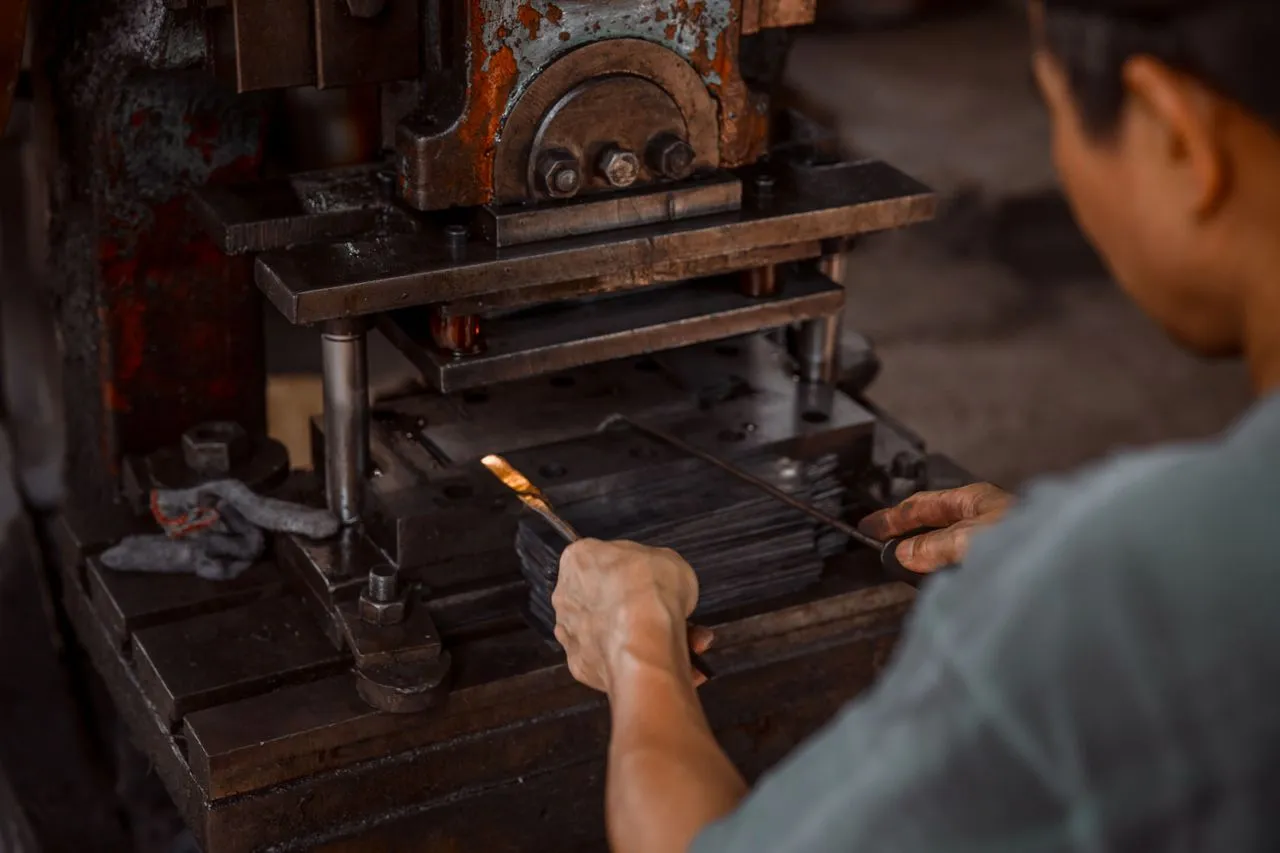
Pressing and stamping is a tooling, volume and repeatability sale — the press tonnages you run, the tooling you hold or can make, and whether you can hit a price at the quantity an OEM needs.
A buyer with a 200,000-piece programme thinks in unit cost and tool amortisation, not "metal pressing services", and wants to know your press capacity and tooling route before enquiring. I build sites that explain your press bed, tonnage and tooling capability and capture OEM enquiries with the volumes attached, so you quote programmes that fit and skip the one-offs that don’t. That’s how you attract the repeat, scheduled work a press shop lives on.
What I'd build you
The build
Specs, materials, tolerances and capacity laid out in the terms a buyer already searches with — so they can qualify you without an enquiry, and enquire already half-scoped.
Found
A page per process, material and sector instead of one “Services” page — every one its own door into the site, matched to how buyers search rather than how the business is organised.
Asked for
Buyers ask an assistant before they ask a supplier, and it quotes whoever actually answered. Question-led content and structured data put your words in that answer.
Measured, not claimed
2.9s.
Time to main content on a phone, against 6.9s for the median of 5 comparable firms.
Reported
Speed, search visibility and enquiry volume measured on a regular cycle and reported back — so the site is answerable for something rather than just existing.
What I build for stamping & pressings
A press-capacity page stating tonnages, bed sizes and progression vs single-hit capability
A tooling page covering in-house toolmaking, tool transfer and tool maintenance
Volume and unit-cost content that speaks to OEM programme buyers
An RFQ flow capturing part, annual volume, material and tooling status up front
What manufacturers ask before they hire me. If yours is not here, ask it — the answer is usually short.
Capability content around press tonnage, tooling and materials, backed by proof, positions you for the scheduled programme work rather than the one-off jobs.
An RFQ flow captures the part, annual volumes, material and tooling status up front, so you can quote unit cost from real numbers.
A dedicated tooling page covers tool design, build and maintenance, which is what convinces an OEM you can own the tool as well as run the parts.
Yes — I build tool-transfer content aimed at buyers unhappy with a current supplier, which is often the fastest way into an established programme.
Capability content distinguishes them, because a buyer with a high-volume progression part searches and evaluates very differently from one wanting low-volume blanks.
In-process inspection and repeatability content shows you hold spec across the whole quantity, which is exactly what an OEM checks before placing a schedule.
Proof — recent manufacturer work
All case studies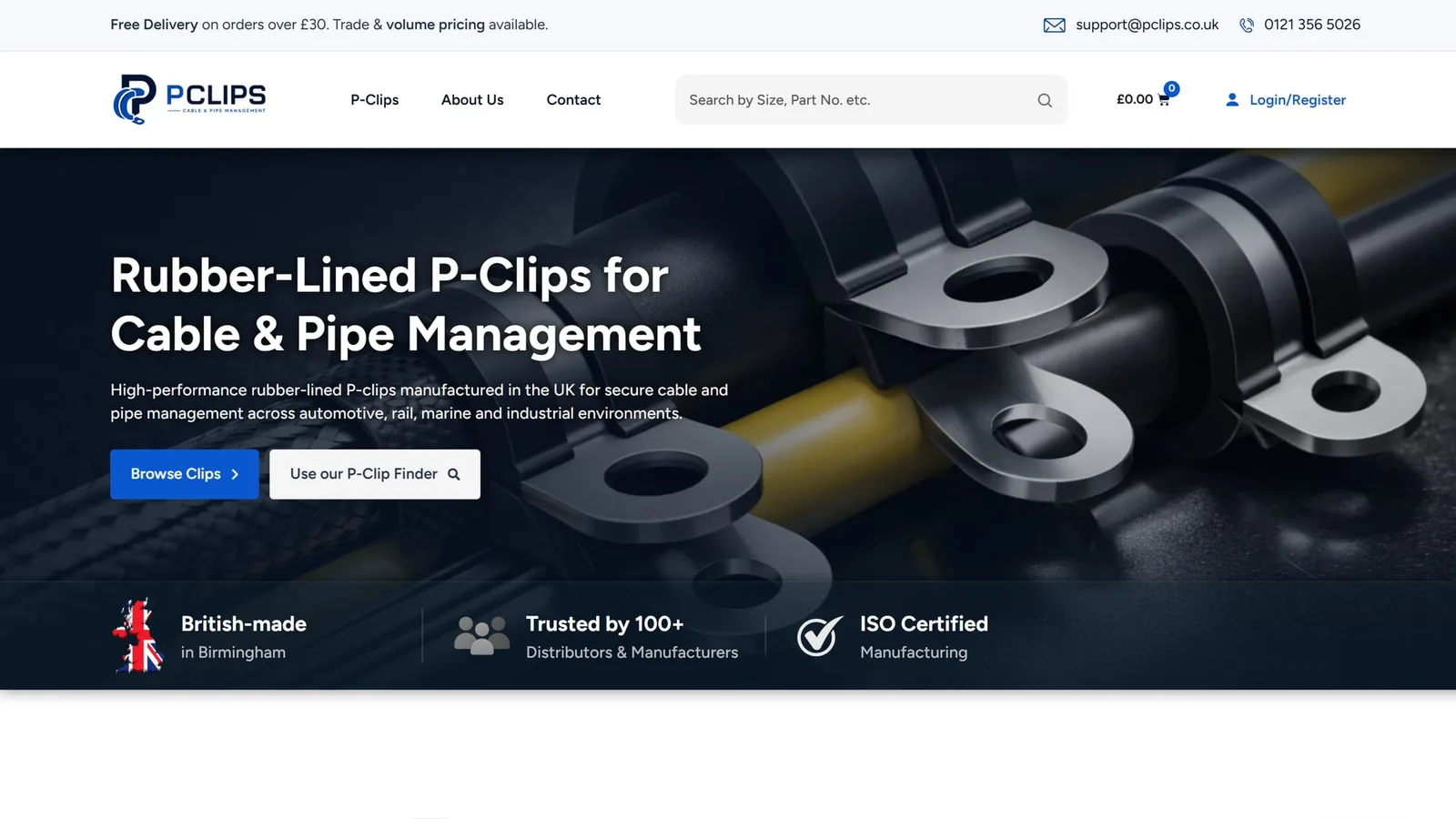
Industrial fastener manufacturing
A new B2B e-commerce site for Birmingham Specialities — built so a procurement buyer sees the engineering and certifications before the cookie banner loads.
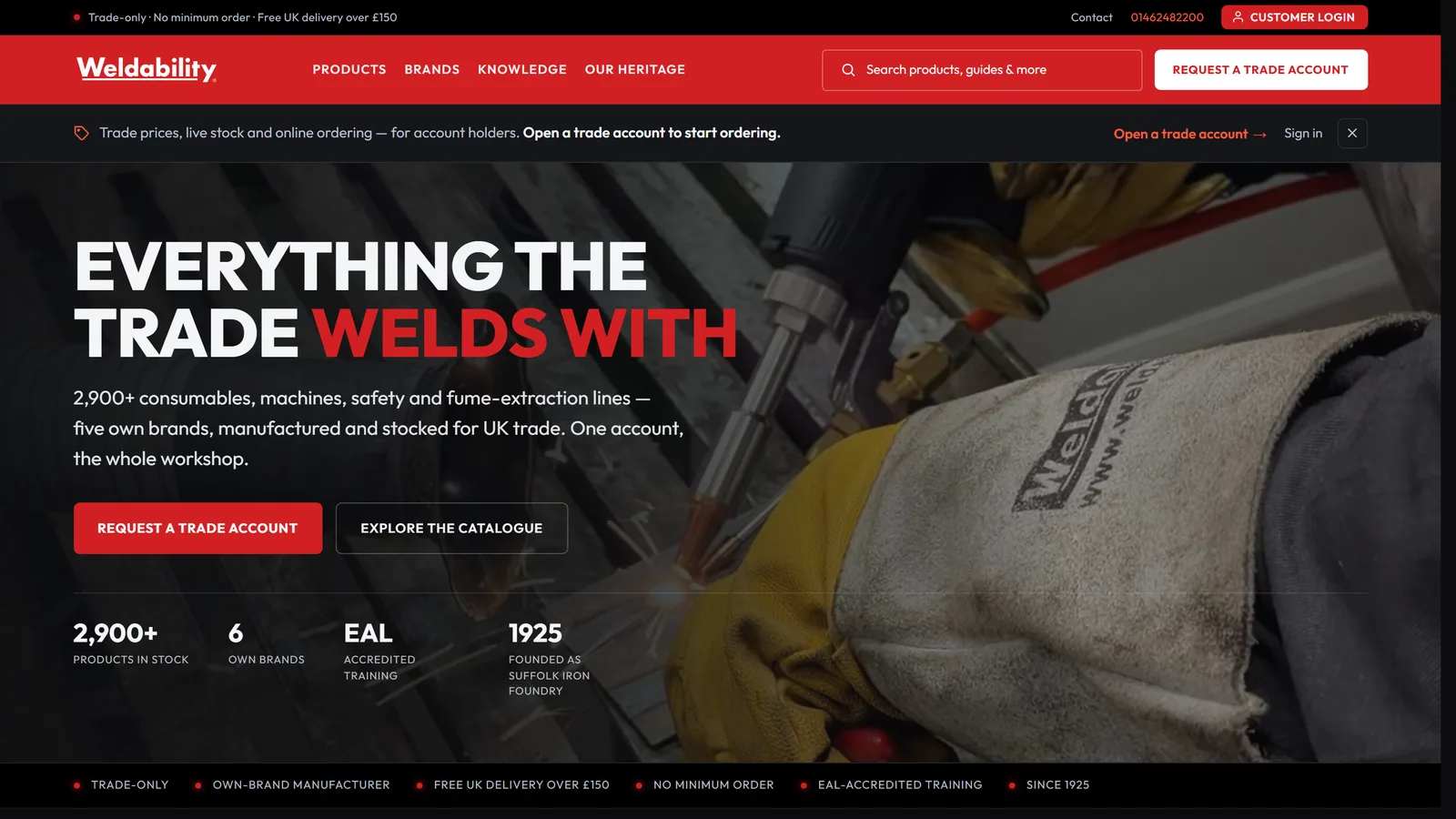
Welding supplies & equipment — trade wholesale
A trade portal for a welding wholesaler founded in 1925 — 3,400 pages, contract pricing, credit and reordering pulled live from the ERP.
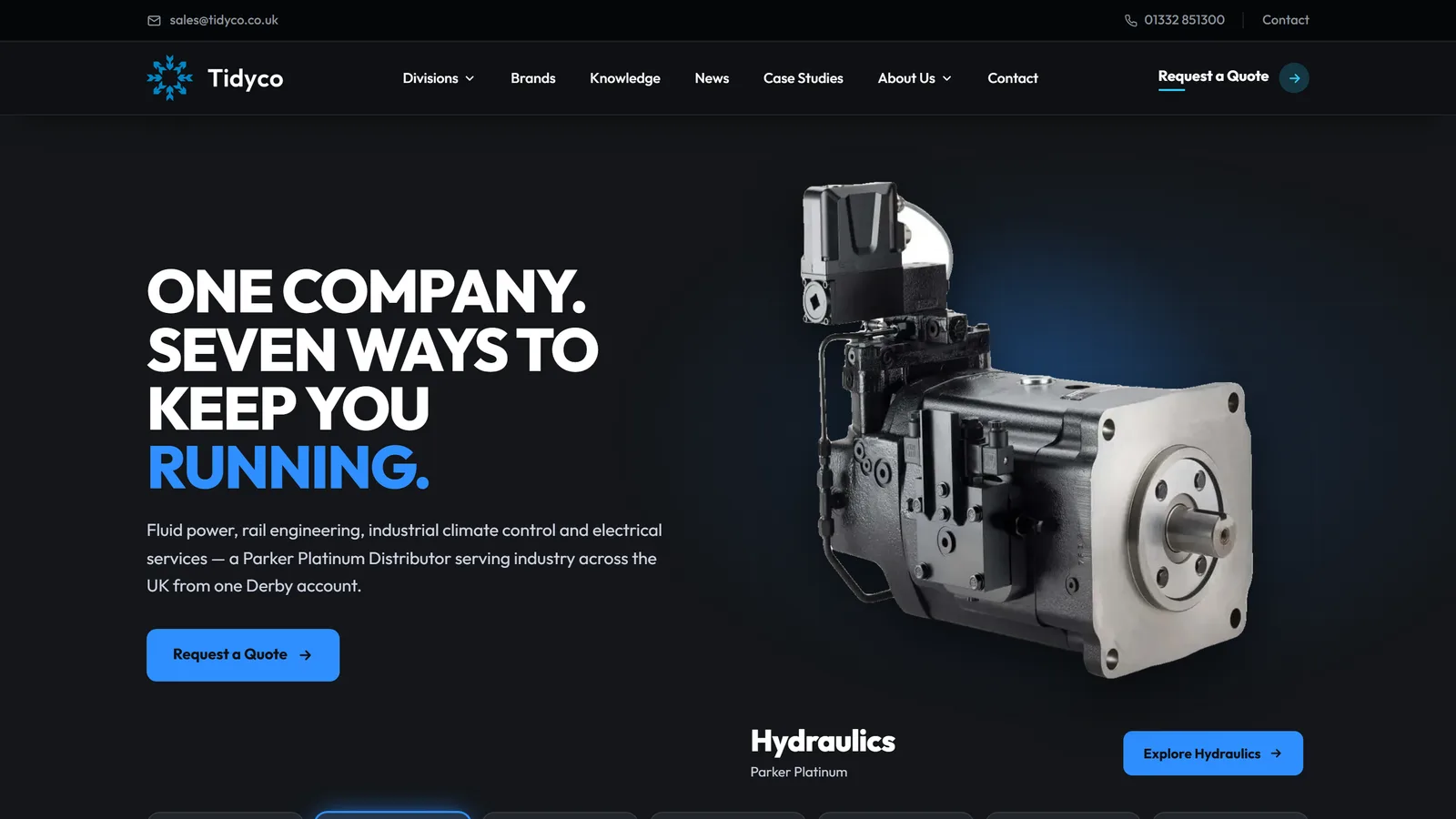
Industrial distribution & engineering services
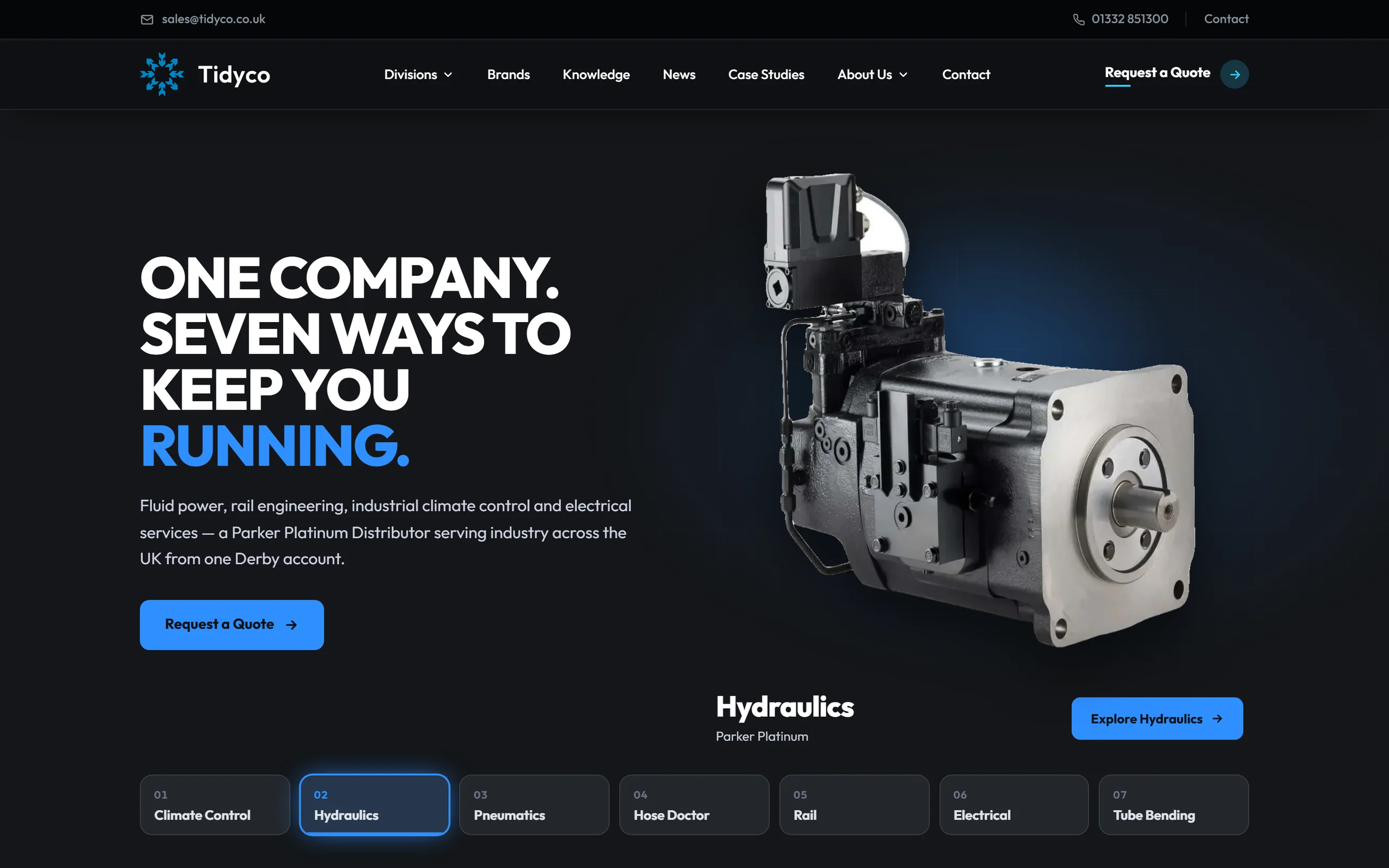
A rebuild for a Derby fluid-power and rail engineering group — seven divisions, one front door, and a 50-guide library that answers buyers before they enquire.
Related reading
All articlesOpinion
Buyers now run a first-pass supplier filter through ChatGPT before a human ever sees your site. Here's what the AI checks — and why most manufacturers get quietly cut.
How-to
Site speed sounds like a developer's obsession. For a B2B manufacturer it's a commercial signal — one of the few technical things a buyer notices without realising.
Opinion
Most manufacturers who aren't getting enquiries assume the site looks dated. Nearly always the real problem is somewhere else entirely. Here's where to actually look.
Next
The snapshot checks what assistants currently say about a business like yours, and where the answer comes from. It takes about a minute.